Most kitchen drain clogs can be cleared in under 30 minutes without calling a plumber. This guide covers exactly how to unclog a kitchen drain when grease buildup or food debris is the cause — moving from the simplest fix to the most hands-on. Grease and food clogs behave differently from hair clogs in bathroom drains, so the approach is different too. Start at Step 1 and stop when the drain runs freely.
Disclosure: This article contains affiliate links. If you purchase through these links, we may earn a small commission at no extra cost to you. As an Amazon Associate, we earn from qualifying purchases.
Why Kitchen Drains Clog with Grease and Food (and Why It Gets Worse Over Time)
Grease doesn’t drain as a liquid. When hot cooking grease enters the drain, it cools quickly and sticks to pipe walls, hardening into a film. Over weeks and months, that film thickens. Food particles — bits of vegetable, rice, pasta, or cutting board debris — catch on the grease layer and tighten the restriction further.
This is why a kitchen sink drain blocked with food debris and grease often feels like a sudden problem when it’s actually been building for months. That gradual buildup is also why heat is the starting point for clearing it — you need to soften what’s coating the walls, not just push through the center.
What You Need Before You Start
For Steps 1 and 2 (basic method):
- Kettle or pot to heat water
- ½ cup baking soda
- ½ cup white vinegar
- A squirt of dish soap
- A cloth or drain stopper to cover the opening
For Steps 3 and 4 (if basic method doesn’t clear it):
- A flat-cup sink plunger — not a toilet plunger. A toilet plunger has a rubber flange designed to fit a toilet bowl; that flange prevents it from sealing against a flat sink drain. A dedicated sink plunger creates the seal you need. A flat-cup sink plunger is a $5–10 purchase worth having separately.
- A bucket and a few old towels
- Adjustable pliers or channel-lock pliers
- A drain snake or hand auger for stubborn blockages past the P-trap
For a complete list of what to keep on hand for jobs like this, see Best Home Repair Tools and Supplies for Homeowners.
How to Unclog a Kitchen Drain: Step-by-Step from Easiest to Most Effective
Step 1: Flush with Very Hot Water
Heat a full kettle or large pot of water to just below boiling — around 140–160°F (60–70°C). Do not use fully boiling water if your home has PVC drain pipes, which are standard in most homes built after the 1980s. Boiling water can soften PVC joints over time. Very hot water is effective and safer.
Pour slowly down the drain in two or three stages, pausing 20–30 seconds between each pour. Slow pouring keeps the hot water in contact with the pipe walls longer, giving the heat time to soften the grease layer.
What to look for: The drain should move noticeably faster or clear completely. If water flows freely after 30 seconds, you’re done. If it’s improved but still slow, move to Step 2.
Step 2: Baking Soda and Vinegar Flush
Pour ½ cup of baking soda directly into the drain opening. Follow immediately with ½ cup of white vinegar. Cover the drain with a cloth or stopper right away to direct the CO2 pressure downward into the clog. Wait 15–20 minutes, then flush with another kettle of hot water.
This natural method works well on a kitchen sink drain with early-stage food debris or light grease buildup — making it one of the best ways to unclog a kitchen sink drain naturally before reaching for mechanical tools. On a full blockage, it may not clear the drain entirely, but it will often loosen the clog enough that Step 3 finishes the job.
What to look for: Drain clears or shows significant improvement. If water still won’t drain, move to plunging.
Step 3: Plunge the Drain
Remove standing water from the sink down to about two to three inches — just enough to cover the plunger cup. Position a flat-cup sink plunger directly over the drain opening and press down firmly to create suction.
Plunge with firm, steady strokes: 10 to 15 pumps, keeping the seal intact throughout. On the final stroke, pull the plunger up sharply. This reverse-suction action pulls the clog loose from the pipe wall rather than just pushing it further down.
Chemical methods can dissolve or loosen a grease clog, but they can’t move it. Plunging adds the pressure required to displace dense, built-up material.
What to look for: A rush of water draining or an audible gurgling as the blockage clears. Run hot water for 30 seconds to confirm. If partially improved, run one more plunging cycle before moving to Step 4.
Step 4: Inspect and Clear the P-Trap
The P-trap is the curved pipe section directly under your sink. It’s the most common accumulation point for grease and food debris in a kitchen drain — and often where stubborn clogs sit.
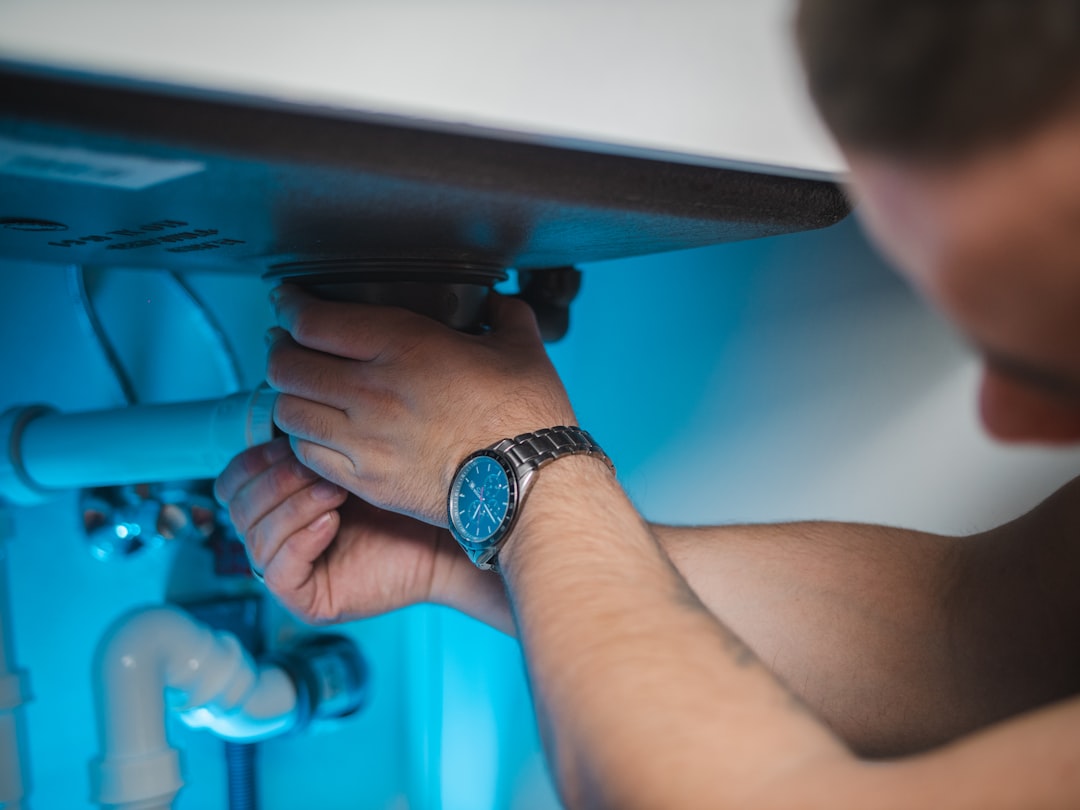
Place a bucket under the P-trap before you start. Unscrew the slip nuts at each end counterclockwise — these usually come off by hand. If stiff, use channel-lock pliers but don’t force them. Remove the trap, empty its contents into the bucket, and clear any visible buildup from inside the trap and the pipe stub in the wall.
Reinstall the P-trap and hand-tighten the slip nuts until snug. On plastic fittings, firm hand pressure is enough — over-tightening cracks the fitting. Run water and watch under the cabinet for 30 seconds before closing the door.
What to look for: Water draining freely with no leaks under the sink.
How to Clear a Grease Clog in a Sink That Won’t Budge
If you need to clear a grease clog in a sink drain that won’t respond to plunging or the steps above, the blockage is further into the drain line. This is where a drain snake — also called a hand auger — is the right tool.
With the P-trap removed, feed the snake into the pipe stub in the wall. Turn the handle clockwise as you advance the cable. When you feel resistance, you’ve reached the clog. Keep turning to work through it, then pull back slowly to retrieve debris. The Ridgid 57043 POWER SPIN+ handles clogs two to ten feet into the line, which covers the majority of cases.
On garbage disposals: Do not feed the snake through the disposal. Access the wall pipe stub directly with the P-trap removed, bypassing the disposal entirely.
On chemical drain cleaners: Lye-based products like Drano are not the best first tool for how to unclog a kitchen drain clogged with grease. They’re often ineffective on dense clogs and can be hard on older pipes and P-trap seals. If every other method has failed, a single application per label directions is acceptable before calling a plumber.
When to Stop DIYing and Call a Plumber
Call a licensed plumber if:
- Multiple drains are slow or blocked simultaneously — this points to a main sewer line issue, not a kitchen-specific clog
- The drain snake hits a hard obstruction that won’t clear — may indicate a collapsed pipe section
- You notice sewage odor from other drains — a sign of venting or main line problems
- The clog returns within a week — recurring clogs often require professional hydro-jetting or indicate root intrusion
A plumber with a camera inspection tool can diagnose the actual cause quickly. If you’re dealing with other plumbing issues nearby, you may also want to fix a dripping single-handle ball faucet while you have the cabinet open. For a broader overview of what can go wrong throughout your home’s plumbing system, Common Plumbing Problems in Homes and How to Fix Them covers the full range of issues beyond drain clogs. If you’re noticing unusual symptoms elsewhere in your home alongside plumbing issues, the Why Is This Happening in My House? Complete Home Problem Diagnosis Guide can help you identify what’s connected and what isn’t.
How to Keep Your Kitchen Drain from Clogging Again
- Never pour cooking grease down the drain. Let it cool, pour it into a jar or tin can, and throw it in the trash. This is the single most effective habit for preventing kitchen drain slow grease buildup.
- Run hot water after every greasy dish. Thirty seconds of hot tap water carries grease residue through the line before it cools and sticks.
- Do a monthly maintenance flush. A squirt of dish soap followed by a full kettle of hot water is a simple way to unclog a kitchen sink drain naturally before a problem develops — it coats the pipe walls and keeps any thin grease film moving.
- Use a sink strainer basket. A stainless steel strainer basket catches food particles before they enter the pipe — a low-cost, passive fix for one of the two main contributors to kitchen drain slow grease buildup.
- Keep fibrous and starchy foods out of the disposal. Celery, pasta, rice, and eggshells contribute to drain buildup even when the disposal runs correctly.
What Success Looks Like
After working through these steps on how to unclog a kitchen drain, water should drain freely with no standing water after running the tap for 30 seconds. The P-trap should be dry underneath with no drips. Most kitchen sink drain blockages clear at Step 1 or Step 2. If the clog returned within a week of clearing, the main line section above applies — that’s a job for a plumber, not a plunger.
Frequently Asked Questions
Can I use boiling water to unclog my kitchen drain? Very hot water works well — but stick to 140–160°F rather than a full rolling boil. Boiling water can soften PVC plastic joints, which are standard in most modern homes. Water just off the boil is effective and safer for plastic pipes.
Does baking soda and vinegar actually clear a grease clog? It depends on severity. On a mild or partial clog, yes — the CO2 reaction agitates debris and the hot water flush finishes the job. On a full blockage, it won’t clear the drain on its own. Use it as Step 2 in the sequence, not a standalone fix.
Why does my kitchen drain keep clogging even after I clear it? Recurring clogs usually mean grease is still coating pipe walls past the P-trap, or there’s a deeper line issue. Review the prevention habits above, and if the clog returns within a week after a full clear, it’s time for a plumber with a camera.