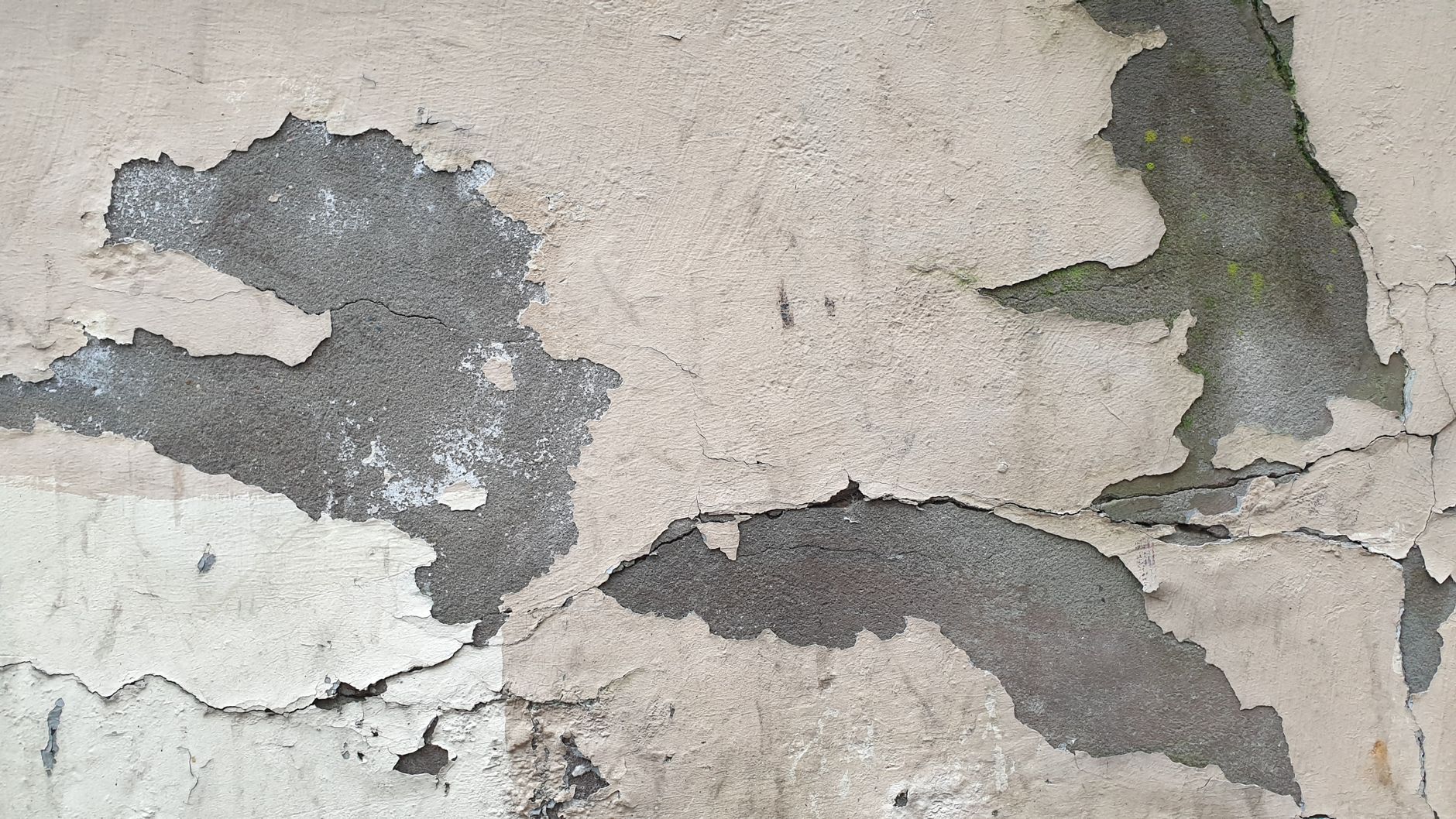
Paint fails faster in bathrooms and kitchens than anywhere else in the house. The best paint sheen for bathrooms and kitchens is one of the most controllable variables standing between you and another peeling ceiling in two years. Most homeowners spend time picking a color and almost no time thinking about finish. That’s usually where the problem starts.
This guide covers why these rooms destroy paint faster than others, what sheen levels actually do, which finish to use on each surface, and the preparation mistakes that cause failure even when you’ve chosen the right product.
Disclosure: This article contains affiliate links. If you purchase through these links, we may earn a small commission at no extra cost to you. As an Amazon Associate, we earn from qualifying purchases.
Why Paint Peels in Bathrooms and Kitchens More Than Anywhere Else
These rooms create conditions that constantly stress the paint film. In bathrooms, steam from showers and baths drives moisture into walls and ceilings in repeated cycles. Water vapor penetrates the paint layer and weakens adhesion from behind. Over time, this causes bubbling or peeling — especially at edges, around fixtures, and near the ceiling above the tub or shower.
Kitchens have a different but equally damaging environment. Cooking releases moisture, but grease is the bigger threat. Airborne grease particles coat wall surfaces near the stove. This creates a bond-breaking layer that prevents paint from staying adhered over time. Add in the fact that kitchen and bathroom surfaces get scrubbed more than anywhere else in the house, and low-sheen finishes simply don’t hold up.
The key distinction worth keeping in mind: moisture causes peeling; the wrong sheen accelerates it. A paint finish that can’t resist moisture will absorb it instead. Once that process begins, it’s a matter of when, not if, the paint fails.
Surface prep failures are a separate but related contributor. We’ll cover the most common prep mistakes later in this guide. For situations where paint has already started to fail, primer selection for peeling paint repairs is the right place to start.
What Paint Sheen Actually Means — and Why It Matters in Wet Rooms
The Sheen Scale Explained
Paint sheen refers to how much light a dried paint film reflects. From least to most reflective, the standard levels are:
Flat/matte → Eggshell → Satin → Semi-gloss → Gloss
Each step up the scale adds more binder. Binder is the resin that holds pigment together and forms the dried film. More binder means a harder, denser surface. That surface is more durable, more cleanable, and better at resisting moisture. Flat paints have the least binder and the most porosity. They absorb rather than repel what lands on them.
Why Sheen Equals Moisture Resistance
When paint dries, it forms a film. Higher-sheen paints form a denser, harder film with less surface area for water to enter. Lower-sheen finishes leave a more open, textured surface that water can penetrate.
In a humid bathroom or kitchen, this distinction matters constantly. It’s not just relevant on the day you paint — it matters every time the room heats up with steam or gets wiped down with a damp cloth. Over time, repeated moisture exposure softens the adhesion bond in porous low-sheen finishes. That leads to bubbling, cracking, and eventually peeling.
The Trade-Off Homeowners Often Miss
Higher sheen shows surface imperfections more clearly. Walls with patched areas, texture variation, or minor unevenness will be more visible under semi-gloss than under satin. Sheen selection is a balance between protection and appearance — not just defaulting to the glossiest paint on the shelf.
For most homeowners, satin or semi-gloss hits the right balance in wet rooms. Full gloss is rarely needed on walls and tends to look institutional.
Best Paint Sheen for Bathrooms: Satin vs. Semi-Gloss Compared
When it comes to the best paint sheen for bathrooms, both satin and semi-gloss can work. The right choice depends on the specific surface and conditions in your space.
When Satin Works Well
Satin offers solid moisture resistance with a softer, less reflective appearance than semi-gloss. It’s a good choice for:
- Larger bathrooms with functional exhaust fans and reasonable airflow
- Walls that have texture, patching, or visible imperfections you don’t want to highlight
- Bathrooms where you want a warmer, less shiny finish on walls
- Touch-up situations — satin blends more forgivingly than semi-gloss when spot-painting
When Semi-Gloss Is the Right Call
Semi-gloss earns its place in bathrooms where moisture exposure is higher or more concentrated:
- Small bathrooms with poor ventilation or no exhaust fan
- The ceiling directly above the shower or bathtub — this is the highest-moisture surface in the entire room
- Tile surrounds, window trim, and door casings in any bathroom
- Powder rooms where walls are small and cleaning frequency is high
Semi-gloss resists mildew staining better over time and wipes clean more easily. That matters in a room that sees daily moisture and occasional mold risk.
The Bottom Line for Bathrooms
- Walls (well-ventilated): Satin
- Walls (poor ventilation / high steam): Semi-gloss
- Ceiling: Semi-gloss
- Trim and doors: Semi-gloss
Best Paint Sheen for Kitchens: Handling Grease, Steam, and Scrubbing
Why Kitchens Have a Different Problem Than Bathrooms
In kitchens, moisture is a factor but grease is the primary enemy. A finish that can be wiped clean matters just as much as one that resists humidity. Eggshell and flat paints degrade quickly under repeated cleaning with degreaser or all-purpose spray. The paint film literally wears away.
Choosing the best paint sheen for kitchens means thinking about two things at once: moisture resistance and scrub tolerance.
Sheen Recommendations by Zone
Kitchen walls aren’t all the same. Zone matters:
- Walls near the stove and prep areas: Semi-gloss. This zone takes the most grease exposure and needs to be wiped down regularly. A hard, dense semi-gloss film stands up to both the grease and the cleaning.
- General kitchen walls: Satin. Rooms with moderate cooking activity don’t need semi-gloss everywhere. Satin balances cleanability with a less reflective finish that looks better across large wall areas.
- Kitchen cabinets: Semi-gloss or gloss. Cabinets take constant direct contact and need maximum surface hardness. Cabinet painting is a separate topic, but sheen is especially critical there.
- Kitchen ceiling (moderate cooking): Satin minimum.
- Kitchen ceiling near a heavy cooking zone: Semi-gloss if grease buildup has been a recurring issue.
A Word on “Kitchen & Bath” Labeled Paints
Some manufacturers sell interior paint specifically labeled for kitchens and bathrooms. These often include mildewcide additives. They aren’t always necessary if you’re using a quality semi-gloss or satin from a reputable brand.
What matters most is the sheen level and overall paint quality — specifically the resin content. A premium satin will outperform a budget semi-gloss.
That said, if you’re painting a bathroom prone to mildew or a poorly ventilated kitchen, a paint formulated with mildewcide adds a reasonable layer of protection.
A quality primer is non-negotiable before painting any kitchen or bathroom surface — especially over existing gloss, damaged paint, or bare drywall. A reliable option for most situations is a multi-surface stain blocking interior primer that can handle repairs and common problem surfaces in one coat. See our guide to primer selection for peeling paint repairs for help choosing the right type.
Mistakes That Cause Peeling Even When You Pick the Right Sheen
Choosing the correct paint finish for high moisture rooms is step one. These are the preparation and application errors that cause failure anyway:
- Skipping primer or using the wrong type. A semi-gloss topcoat applied directly over existing gloss, damaged drywall, or bare plaster won’t bond properly. Primer creates the adhesion layer the topcoat depends on. Without it, even the best sheen choice will eventually fail. See our primer selection for peeling paint repairs guide for specifics.
- Painting over damp walls. Bathrooms and kitchens are often cleaned before painting — and then painted before the surface is fully dry. Even slight residual moisture prevents proper adhesion. Walls must be completely dry, not just surface-dry.
- Painting over contamination. Soap scum, grease, mildew, and cleaning product residue all create bond-breaking layers. No paint finish compensates for a contaminated surface. Clean thoroughly, treat any mildew, and let the surface dry before priming.
- Using leftover paint from another room. This is one of the most common mistakes. Flat or eggshell paint left over from a living room or bedroom gets used in the bathroom to use it up. Leftover paint should not go in high-moisture rooms unless it’s the right sheen.
- Applying too thin a coat. One thin coat of semi-gloss leaves gaps in film coverage. Two full, even coats are standard in these rooms — this is especially true on ceilings above showers.
- Poor ventilation strategy. Running an exhaust fan during painting can disrupt drying and cause uneven curing. Ventilate after painting, not during. Give the paint 24–48 hours to dry and avoid heavy steam exposure for the first week while it cures.
- Ignoring gaps and edges. Gaps around tub surrounds, fixtures, and trim are where moisture enters the wall before it ever reaches the painted surface. Seal these areas with waterproof silicone caulk before you pick up a brush. This single step extends the life of any finish — regardless of sheen level.
Best Paint Sheen for Bathrooms and Kitchens: Surface-by-Surface Reference
| Surface | Recommended Sheen |
|---|---|
| Bathroom walls (well-ventilated) | Satin |
| Bathroom walls (poor ventilation / high steam) | Semi-gloss |
| Bathroom ceiling | Semi-gloss |
| Bathroom trim and doors | Semi-gloss |
| Kitchen walls (general) | Satin |
| Kitchen walls near stove | Semi-gloss |
| Kitchen ceiling (moderate) | Satin |
| Kitchen ceiling (near heavy cooking zone) | Semi-gloss |
| Bathroom / kitchen window casings | Semi-gloss |
Note: Eggshell and flat finishes are not recommended for any surface in bathrooms or kitchens.
Frequently Asked Questions
Can I use eggshell paint in a bathroom if I have good ventilation? It’s not recommended. Ventilation helps, but it doesn’t eliminate the moisture risk that eggshell can’t handle long-term. Even well-ventilated bathrooms build up enough humidity over time to degrade an eggshell finish. Satin is the minimum for bathroom walls.
Is semi-gloss too shiny for bathroom walls? It can be. Semi-gloss highlights surface imperfections — patched areas, uneven texture, and minor dents become more visible. Satin is a middle-ground solution that still performs well in most bathrooms while looking less reflective on large wall surfaces.
Does paint brand matter as much as sheen level? Both matter. A high-quality satin from a reputable brand will outperform a cheap semi-gloss. Resin content varies significantly between budget and premium lines. When choosing the best paint sheen for bathrooms and kitchens, pair the right sheen with a quality product.
How long before I can run the shower after painting? Most latex paints need 24–48 hours to dry and up to 30 days to fully cure. The paint may feel dry to the touch quickly, but the film is still hardening. Avoid heavy steam exposure in the first week if possible. Waiting longer before the first hot shower protects the new finish.
My paint is peeling even though I used semi-gloss — what went wrong? This is almost always a prep issue. The most common causes are painting over a wet surface, grease or soap scum contamination, or skipping primer. Sheen level alone can’t compensate for a poor foundation. See our guide to primer selection for peeling paint repairs to diagnose the problem and choose the right fix.
Conclusion
The logic is straightforward. Sheen equals moisture resistance and durability. Higher sheen means a harder, denser dried film with less porosity — which is exactly what paint in wet rooms needs to survive long-term.
The best paint sheen for bathrooms and kitchens follows a simple framework. For bathrooms, use satin on most walls and semi-gloss on ceilings, trim, and any space with poor ventilation. For kitchens, use semi-gloss near cooking zones and satin for general walls. Eggshell and flat finishes don’t belong in either room.
Choosing the right sheen is step one. It won’t save a job where prep was skipped, the wall was wet, or the surface was contaminated. Primer selection and surface preparation are what back up the finish. If you’re dealing with existing paint failure or starting over on a damaged surface, the primer selection for peeling paint repairs guide covers exactly what to use and why.
If you’re also concerned about moisture damage on the outside of your home, our guide on how to spot peeling before it gets worse covers the early warning signs to look for during a seasonal exterior check.
Get both right — sheen and prep — and paint in these rooms can last for years without peeling.