Knowing how to spot peeling exterior paint early is the difference between a weekend touch-up and a full repaint — or worse, wood repair and moisture remediation. Caught in early spring, paint failure is usually a scrape-prime-and-patch job. Left until summer or fall, it becomes a much larger project. This guide walks you through a structured spring exterior paint inspection: what to look for, where to look, how to read the exterior paint peeling signs you find, and what to do next based on what you see.
Disclosure: This article contains affiliate links. If you purchase through these links, we may earn a small commission at no extra cost to you. As an Amazon Associate, we earn from qualifying purchases.
Why Spring Is the Best Time to Catch Exterior Paint Peeling Early
Winter is hard on exterior paint. Freeze-thaw cycles force moisture in and out of wood and paint films repeatedly. Trapped interior humidity pushes through walls. Temperature swings cause paint to expand and contract until adhesion breaks down.
By early spring, all of that stress has surfaced as visible failure — bubbling, cracking, chalking, or flaking. This is the ideal moment to spot peeling exterior paint before it spreads. Summer heat will push moisture further into any exposed wood, expanding the damage. Waiting until fall means the damage has already set in for another season. Mid-winter inspections aren’t practical — surfaces may be wet, frozen, or snow-covered, and repair conditions don’t exist yet.
Early spring is the window. Use it.
What You’ll Need Before You Start
No specialized equipment required. Gather these before you walk the perimeter:
- Safety glasses — debris from brushing or pressing on loose paint can fall or flake
- A stiff-bristle brush or putty knife — for testing paint adhesion by hand
- A notepad or phone — for photographing and logging problem locations as you go
- Exterior silicone caulk and a drip-free caulk gun — you’ll likely find gaps to seal during the walk; having these ready saves a second trip
One useful addition: binoculars. For upper-story siding and high roofline trim, binoculars let you get a clear look without setting up a ladder. Save the ladder for specific areas that need a closer check.
How to Spot the First Signs of Peeling Exterior Paint Before It Spreads
Most homeowners miss early exterior paint failure because they’re waiting to see dramatic flaking. Exterior paint peeling signs show up earlier than that — and they show up to the touch before they show up to the eye.
Work through these four checks on each wall section:
- Run your hand across the surface. If you pull your palm away with a white or tinted powder on it, that’s chalking — a sign of UV degradation breaking down the paint film. It’s not an emergency, but it means the surface is losing its protective layer and the clock is running.
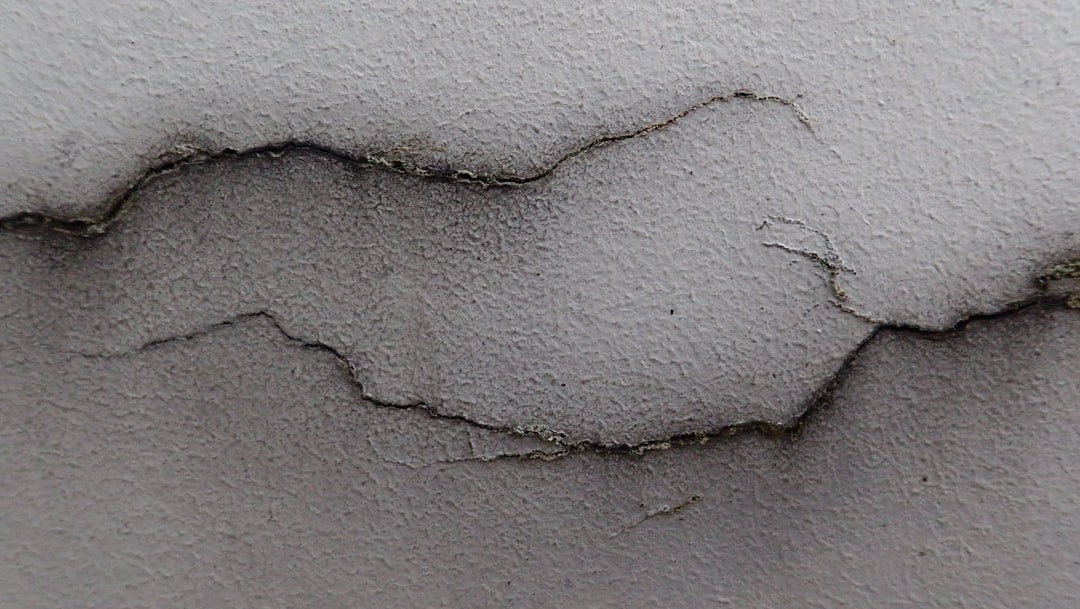
- Look for hairline cracking. Fine cracks that follow the direction of wood grain are an early warning of a paint film that has lost flexibility. These typically precede full peeling by one or two seasons. They’re easy to miss — crouch down and look across the surface at a low angle to make them visible.
- Look for bubbling or blistering. Raised bubbles under the paint surface mean moisture is trapped beneath the film. Press a bubble gently. If it pops and the surface underneath feels soft or damp, moisture has already reached the wood. That’s past early-stage.
- Check adhesion directly. Press your fingernail or the edge of a putty knife against the surface and apply light pressure. If paint releases or flakes off easily, it has lost adhesion. This needs attention now, not next season.
Mark or photograph every location where any of these tests gets a positive response. You’re building a map of your home’s exterior paint condition — and this hands-on method is the most reliable way to spot peeling exterior paint before it becomes a larger problem.
Where Exterior Paint Peels First: High-Risk Zones to Inspect
Run your spring exterior paint inspection in order around the home. These zones fail first and most often:
- South- and west-facing walls. These take the most direct sun and UV exposure over the course of a day. Paint on these walls ages faster than anywhere else on the house. Start here.
- Window and door trim. Where trim meets siding and where caulk bridges wood joints — these are the highest-failure points on any exterior. Caulk shrinks over time, gaps open, and moisture enters through those gaps. Paint then lifts from the edges inward.
- Areas beneath gutters and downspouts. Gutter overflow and downspout splash-back keep the siding below repeatedly wet. Expect blistering and active peeling here even when the surrounding wall looks fine. Check directly below every downspout.
- Horizontal surfaces. Window sills, porch railings, and the tops of trim boards collect standing water. Paint on horizontal surfaces fails significantly faster than on vertical surfaces for this reason alone.
- Lowest course of siding. The siding closest to grade gets moisture from splash-back, lawn irrigation, and limited air circulation. At this zone, check for soft wood as well as paint failure — moisture damage here often goes deeper.
- Eaves and soffits on shaded sides. These are consistently overlooked. Low light makes failure hard to see, and trapped humidity causes paint breakdown that spreads widely before anyone notices. Use your flashlight here and look closely.
Knowing where to look is half the battle when you’re trying to spot exterior paint peeling signs before they grow. A zone-by-zone approach ensures you don’t miss the areas that statistically fail first.
What Peeling Paint Is Telling You About the Surface Underneath
The way paint peels tells you something specific about what caused the failure. Reading these exterior paint failure diagnosis signals correctly affects what kind of repair is coming.
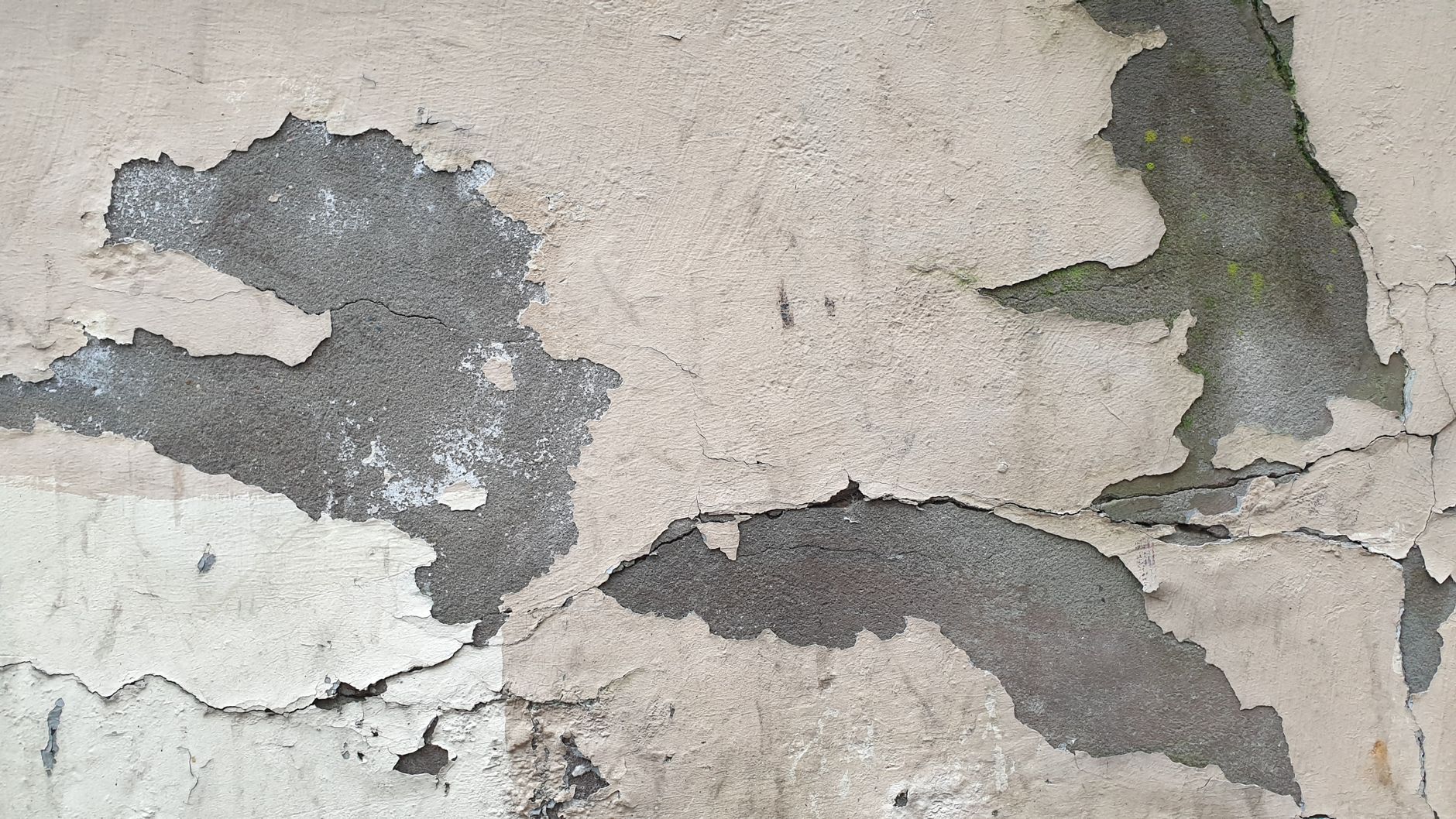
- Peeling that comes off in large sheets usually indicates a failed bonding layer. This commonly happens when paint was applied over a chalky surface without priming first, or over an incompatible previous coating. The adhesion failure is at the interface, not within the paint film itself.
- Peeling that reveals bare gray or silver wood means the paint film has been failing long enough for the wood to become exposed to weather. Before any repainting, assess whether the wood has softened.
- Peeling concentrated at edges and caulk lines points to water infiltration through gaps, not general paint failure. The root cause is caulk failure. Repainting the surface without recaulking first will cause the new paint to fail in the same locations within one season.
- Peeling accompanied by soft or spongy wood is a stop signal. This is wood rot. Paint will not adhere to rotted wood and will not protect it. The affected board may need to be replaced before any surface work can happen.
When you’re ready to move from inspection to repair, primer selection matters. A bonding primer performs differently than a PVA or stain-blocking primer, and choosing the wrong one for the surface condition is a common reason paint fails again quickly. For interior repairs uncovered during your inspection — such as ceiling staining or wall damage from moisture infiltration — a multi-surface stain-blocking interior primer handles most common repair scenarios without requiring you to match primer type to every substrate.
How to Tell If Peeling Is Cosmetic or a Sign of a Bigger Problem
This is the key judgment call in any spring exterior paint inspection. Cosmetic peeling means the paint film has failed but the wood underneath is intact, dry, and structurally sound. Structural peeling means the substrate itself is compromised or water is actively infiltrating.
Signs the peeling is cosmetic — DIY repair is appropriate:
- Wood feels firm and dry when you press it
- Paint is lifting but not pulling up wood fibers with it
- No soft spots, dark discoloration, or visible mold on the wood surface
- Failure is isolated to one wall or a specific trim area
Signs the peeling points to a bigger problem — get a professional assessment:
- Wood surface feels soft, spongy, or compresses under light pressure
- Dark staining in the wood beneath the peeling areas
- Visible mold or mildew on the substrate itself, not just the paint surface
- Failure is progressing across multiple walls or large sections of siding
- Peeling near rooflines that corresponds with interior ceiling staining — that correlation often indicates a water infiltration path that runs from roof to wall cavity to ceiling
When in doubt, press the wood. Firm means cosmetic. Soft means stop and assess further before spending money on paint.
What to Do After You Spot Peeling Exterior Paint: Next Steps by Severity
Use what you found in the inspection to decide your next move.
Light chalking or hairline cracking — no active peeling
- No immediate repair needed, but schedule a full repaint within one to two seasons
- Clean chalky surfaces with a stiff brush before winter to slow further UV breakdown
- Note every caulk gap so you can address them when you repaint
Active peeling — paint film only, wood is intact
- Scrape all loose paint, feather the edges with sandpaper, spot prime with a bonding primer, and repaint the affected area
- Before painting, fill any open caulk gaps with exterior-grade caulk using a caulk gun — this step prevents immediate re-failure at the edges
- A small to medium area of this type is a manageable DIY weekend project
Widespread peeling with exposed wood
- Plan for a full-surface repaint, not spot repairs
- Apply bonding primer across the entire surface — spot priming alone will leave adhesion inconsistencies that show up within a year
- Budget adequate time for prep; the repaint will fail early if the surface isn’t properly scraped, cleaned, and primed
Peeling with soft wood, rot, or signs of interior moisture
- Do not repaint over this
- Have a licensed contractor or building inspector assess the scope before any surface work begins
- Repainting over rot or active moisture infiltration will cost more to fix later than the repair costs now
Frequently Asked Questions About Spotting Peeling Exterior Paint
How often should I inspect my home’s exterior paint? Once a year is the minimum, and spring is the best time to do it. If your home has experienced a particularly harsh winter or you noticed issues last season, a quick visual check in both spring and fall is worthwhile.
Can I spot peeling exterior paint from the ground, or do I need a ladder? Most early-stage exterior paint peeling signs are visible from the ground if you walk close to the house and look at wall surfaces at a low angle. Binoculars help with upper-story siding and roofline trim. Reserve ladder use for specific zones that need a hands-on adhesion test after you’ve identified them from the ground.
Is chalky paint a sign I need to repaint right away? Not necessarily. Chalking is UV degradation and signals the paint film is breaking down, but it’s an early warning — not an emergency. Plan a full repaint within one to two seasons. If the chalking is heavy and widespread, move that timeline up.
What’s the difference between paint blistering and paint peeling? Blistering is an earlier stage. Blisters are raised bubbles where moisture or vapor is trapped beneath an intact paint film. Peeling is what happens when those blisters rupture or the adhesion fails entirely and the paint film detaches from the surface. Both indicate a problem, but blistering caught early is easier to address.
How do I know if peeling paint is from moisture inside or outside the house? Location is the most useful clue. Peeling on the interior side of exterior walls, or blistering that appears suddenly after cold weather on walls adjacent to kitchens, bathrooms, or laundry rooms, often points to interior vapor pushing outward. Peeling concentrated around caulk gaps, gutters, and low siding courses is more likely from exterior moisture infiltration.
Can I paint over peeling exterior paint without scraping if the peeling is minor? No. Painting over peeling paint — even minor peeling — traps loose material under the new coat. The new paint will fail at those spots within one season. Scraping loose paint and feathering the edges before priming and repainting is the minimum correct prep, even for small areas.
Does the color of my paint affect how quickly it peels? Indirectly, yes. Darker colors absorb more heat and cause greater thermal expansion and contraction of the paint film, which stresses adhesion over time. South- and west-facing walls painted in dark colors tend to show failure sooner than the same surfaces in lighter shades. This doesn’t change the inspection process, but it’s worth noting when planning a repaint.
Complete Your Spring Exterior Paint Inspection Before Summer Arrives
A complete exterior walk in early spring — done systematically, zone by zone, with touch tests at each location — gives you a clear picture of your home’s paint condition. You’ll know what needs attention now, what can wait, and what requires a professional before any brushwork happens.
That’s the payoff of learning how to spot peeling exterior paint before it gets worse: you’re not reacting to a problem that has already spread. You’re ahead of it, with a specific list of locations, a severity assessment for each one, and time to plan repairs before summer heat and rain push moisture deeper into any surface that’s already exposed. Homeowners who complete this spring exterior paint inspection once rarely skip it again — the cost difference between catching peeling early and catching it late makes the hour-long walk more than worth it.