Choosing the best primer for peeling paint repairs is the decision that determines whether your fix holds or fails within months. Most homeowners grab whatever primer is on the shelf — but the wrong type won’t solve the underlying problem. Bonding primer, PVA primer (polyvinyl acetate), and stain-blocking primer each fix a different cause of paint failure. Match the wrong one to your wall, and the peel comes back. This article explains what separates all three so you can buy the right primer for damaged walls before you start.
Disclosure: This article contains affiliate links. If you purchase through these links, we may earn a small commission at no extra cost to you. As an Amazon Associate, we earn from qualifying purchases.
Why the Wrong Primer Causes Peeling Paint Repairs to Fail
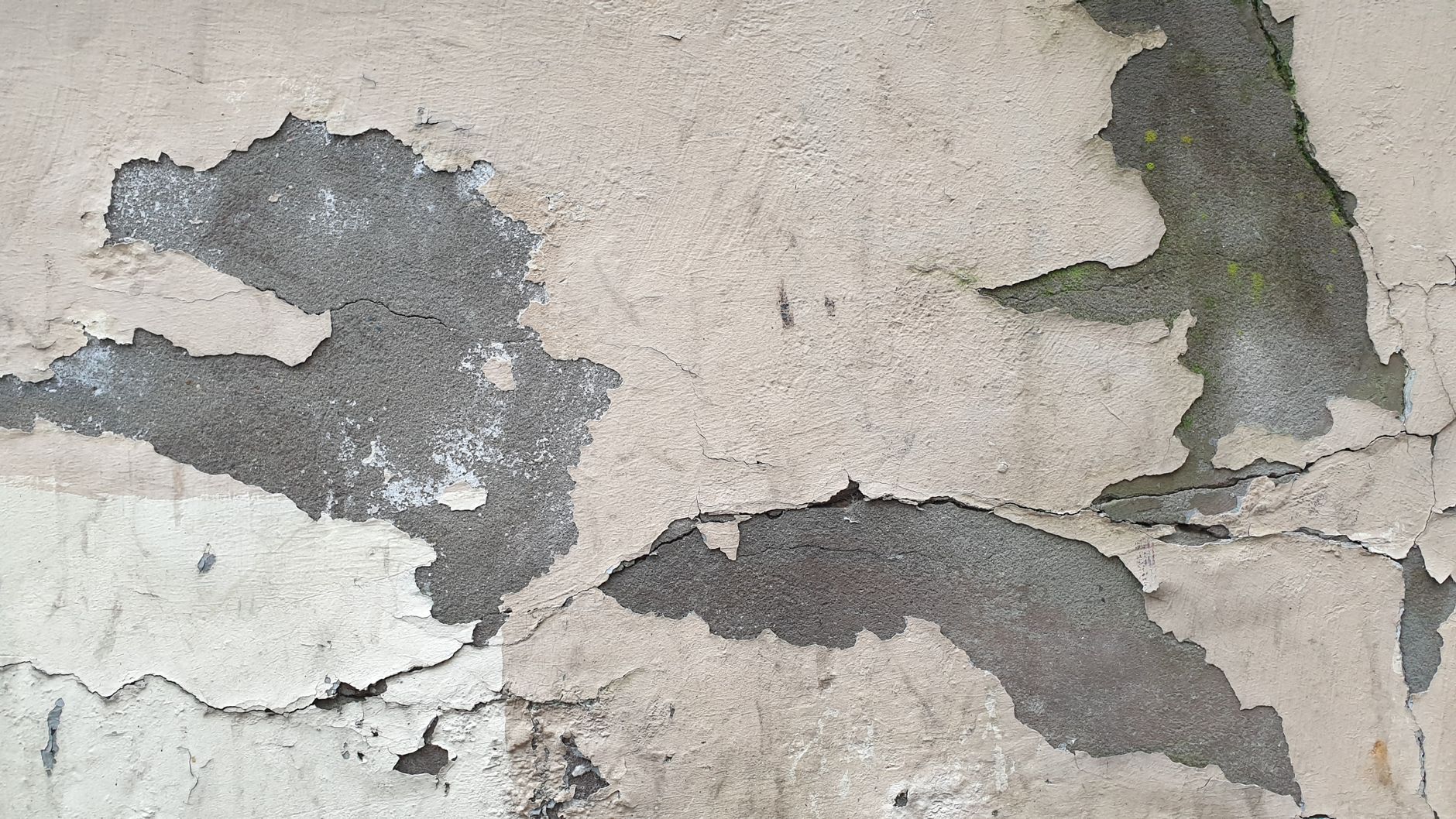
Peeling paint has different root causes. On one wall, paint fails because the surface was too glossy to grip. On another, it fails because fresh drywall compound soaked up the finish coat unevenly. On a third, moisture or tannin bleed pushed the paint off from below.
Each cause needs different primer chemistry. A bonding primer won’t seal a water stain. A PVA primer won’t grip a glossy surface. A stain blocker won’t even out porosity on a fresh patch. Using a general-purpose primer — or skipping primer entirely — means you’re not solving any of these problems. The same failure comes back within months.
Start with the cause of the peel. That’s how you pick the best primer for peeling paint repairs.
Bonding Primer for Peeling Paint Repairs: When Adhesion Is the Problem
Best for: Glossy, slick, or previously painted surfaces where new paint won’t grip
Bonding primer grips surfaces that standard primers can’t stick to. That includes glossy enamel, semi-gloss paint, and surfaces where old paint layers have hardened and separated from the wall. It creates a strong surface grip that anchors the next coat.
Choose bonding primer when:
- The peel happened because the original surface was painted over without sanding
- You’re repainting walls or trim that still have semi-gloss or eggshell finish around the repair
- The repair area has mixed substrates — partially sanded old paint next to fresh compound next to intact paint
- You’re working on interior doors, trim, or walls with multiple old paint layers
What to look for on the label: “Adhesion to slick or non-porous surfaces” — that phrase tells you the product is made for this purpose.
Limitation: Bonding primer doesn’t seal stains. If there’s a water mark, smoke residue, or tannin bleed underneath, bonding primer will improve adhesion but won’t stop the stain from showing through your finish coat. It’s also not the best choice for fresh, bare drywall — it works, but it’s not ideal.
A water-based bonding primer rated for interior walls is the right starting point for adhesion problems. Look for products specifically labeled for slick or previously painted surfaces. When comparing bonding primer vs PVA primer, this is the one to reach for when the surface is already painted but the coating failed to stick.
PVA Primer for Peeling Paint Repairs: Fresh Drywall and Patched Surfaces
Best for: New drywall, skim-coated surfaces, or areas repaired with joint compound or a patch kit
PVA stands for polyvinyl acetate. PVA primer evens out surface porosity. It doesn’t improve adhesion the way a bonding primer does. Fresh drywall compound and bare drywall paper are very porous. They absorb paint unevenly. Without PVA primer, finish paint soaks into compound patches faster than into surrounding painted areas. This creates “flashing” — dull, flat spots that look different from the rest of the wall even after multiple coats.
Choose PVA primer when:
- You’ve sanded a peeling area down to bare drywall or exposed raw compound
- You’ve used a standard drywall patch kit or DAP wallboard joint compound to fix the damaged area
- The prior paint failure was caused by painting directly over unprimed drywall or new patches
PVA primer is not a stain sealer and not an adhesion product for slick surfaces. Using it over a glossy wall will likely cause adhesion failure. Using it over a water stain won’t stop bleed-through.
One important caution: If peeling paint exposed damaged drywall paper — torn, bubbled, or fuzzy — PVA primer can seal it, but the surface texture may still show through the finish coat. Heavily damaged paper usually needs skim coating with joint compound before priming. Use a PVA drywall primer for fresh drywall and patched surfaces after all compound work is fully dry and lightly sanded.
When weighing bonding primer vs PVA primer for a freshly patched wall, PVA is the better choice whenever bare compound or raw drywall is involved.
Stain-Blocking Primer for Peeling Paint: Water Damage and Tannin Bleed
Best for: Peeling caused by water stains, moisture damage, smoke or nicotine residue, or tannin bleed from wood knots or paneling
Stain-blocking primers work differently from the other two types. They don’t improve adhesion or seal porosity. They stop stains from moving through the finish coat. Water stains will bleed through standard paint within weeks — even after the surface looks dry. Tannin from wood knots does the same thing.
There are two sub-types to know:
Oil-based shellac primers (such as Zinsser BIN) are the strongest stain blockers available. They’re the right choice for heavy nicotine staining, severe water damage, and persistent tannin bleed that has already pushed through one water-based primer coat. Shellac primers dry fast but need denatured alcohol for cleanup. They also have a strong odor — ventilate the room and use a respirator rated for organic vapors.
Water-based stain-blocking primers work well for most light water stains and general interior repairs. They’re easier to use, clean up with water, and produce less odor. If the staining is moderate and hasn’t already bled through a previous coat, a water-based stain-blocking primer for light water damage is a practical first step.
For severe staining, a shellac-based stain-blocking primer for persistent water damage is the more reliable option.
Critical note: If peeling paint reveals active mold growth, or if the substrate still feels damp, stop. Do not prime. Primer applied over active moisture or mold will not hold, and the mold will keep growing beneath the surface. Fix the moisture source first. If you’re not sure whether you have a deeper moisture problem, read up on ceiling water stains and mold before proceeding.
Side-by-Side Comparison: Bonding vs. PVA vs. Stain-Blocking for Peeling Paint Repairs
This table shows where each primer type performs well — and where it falls short. Use it to confirm your choice before buying.
| Feature | Bonding Primer | PVA Primer | Stain-Blocking Primer |
|---|---|---|---|
| Primary use case | Slick or hard-to-grip surfaces | Fresh drywall, new patches | Water stains, smoke, tannin bleed |
| Works on glossy surfaces | Yes | No | Depends on product |
| Seals water stains | No | No | Yes |
| For fresh drywall/patches | Acceptable, not ideal | Best choice | Not designed for this |
| Odor/cleanup | Water-based options available | Low odor, water cleanup | Shellac = strong odor; water-based = mild |
| When NOT to use | Over active moisture or mold | Over glossy or stained surfaces | As porosity equalizer on bare drywall |
Some products — Zinsser Bulls Eye 1-2-3 is the most common example — market themselves as multi-purpose primers that handle adhesion and light stain blocking in one coat. These are a reasonable middle ground when the cause of peel isn’t clear and the repair is small. For a reliable all-around option in this category, KILZ 2 Multi-Surface Stain Blocking Interior Primer is a practical choice for small interior repairs where the exact cause of failure isn’t certain. But when the problem is specific — heavy water staining, bare compound, or a very glossy surface — a dedicated primer performs better than a multi-purpose one. The best primer for peeling paint repairs is always the one matched to the exact cause of the failure.
How to Choose the Best Primer for Peeling Paint Repairs Before You Buy
Start with the cause of the peel, not the product label. Work through this logic before going to the store:
- Paint peeled because the original surface was glossy or not properly prepped → use a bonding primer for interior walls
- You sanded down to bare drywall or applied joint compound or a drywall patch kit → use a PVA primer
- There’s a visible water stain, smoke damage, or tannin bleed → use a stain-blocking primer for peeling paint; choose shellac-based for severe staining, water-based for light staining
- You’re not sure what caused the peel, the area is small, and the surface is clean and matte → a water-based bonding primer is the safest general choice
- The peel was caused by moisture and you haven’t fixed the source yet → stop; no primer will prevent recurrence until the moisture problem is resolved
A few more points before you buy:
One coat of the right primer is usually enough for interior repairs. Two coats make sense if the staining was heavy or the surface is badly damaged. Always check the label for recoat time before applying finish paint. Most water-based primers allow recoat in about an hour, but this varies by product and humidity. “Dry to touch” is not the same as “ready to recoat.”
If the peeling area showed more than surface damage — crumbling substrate, significant cracking, or sections that feel hollow or soft — address the underlying issue before priming. Cracks with offset or bulging walls may need a structural assessment before any repair work begins.
Conclusion
The best primer for peeling paint repairs is the one matched to the cause of the failure — not the one that’s on sale or already in the garage. Bonding primer solves adhesion problems on slick surfaces. PVA primer seals fresh drywall and patched compound. Stain-blocking primer stops water, smoke, and tannin from bleeding through again. Get that diagnosis right, and a single coat of the correct primer is usually all it takes before you paint.
If the surface is already clean, dry, and repaired, you’re one product decision away from a repair that actually holds.
Frequently Asked Questions
Can I use stain-blocking primer on a patched wall? Yes, but it’s not the best primary choice if there’s no staining present. A PVA or bonding primer will give better uniformity on fresh compound. Stain-blocking primer is the right call only when there’s an actual stain to block.
Do I need primer if I’m using paint-and-primer-in-one? For peeling paint repairs specifically, no — paint-and-primer products are not a substitute for dedicated primer on damaged or repaired surfaces. They work for routine repaints on sound walls. They don’t solve adhesion failures, porosity issues, or stain bleed-through.
How long should I wait before painting over primer? It depends on the product. Most water-based primers allow recoat in about one hour. Shellac-based primers vary — check the label. “Dry to touch” is not the same as “ready to recoat.” Painting too soon can cause adhesion issues in the finish coat.
Can I use bonding primer over water-stained drywall? It will improve adhesion but won’t block the stain from bleeding through. Use a stain-blocking primer first, then topcoat — or use a product specifically rated for both adhesion and stain blocking. This is one of the most common mistakes homeowners make when choosing a primer for damaged walls.
Is shellac-based primer safe for indoor use? Yes, but ventilate the room well and use a respirator rated for organic vapors. Shellac-based primers have a strong solvent smell. Cleanup requires denatured alcohol, not water. Keep the area well-ventilated until the odor clears.