If your dryer has stopped heating or won’t start at all, a blown thermal fuse is the most likely culprit. Dryer thermal fuse blown symptoms are easy to confuse with other failures — a bad heating element, a faulty door switch — so confirming the fuse before buying parts is the right first move. This guide walks you through every dryer thermal fuse blown symptom to watch for, how to test the fuse with a multimeter, dryer thermal fuse replacement from start to finish, and — critically — why the fuse blew so it doesn’t happen again.
Disclosure: This article contains affiliate links. If you purchase through these links, we may earn a small commission at no extra cost to you. As an Amazon Associate, we earn from qualifying purchases.
What a Thermal Fuse Does and Why It Blows
A thermal fuse is a one-time safety device that permanently cuts power to the dryer if internal temperatures climb too high — unlike a circuit breaker, it does not reset, and unlike a heating element, it is a separate component entirely.
Two causes account for most blown fuses:
- Clogged exhaust vent. When the vent is blocked, hot air can’t escape. Heat builds inside the drum until the fuse trips.
- Failed cycling thermostat. This thermostat normally cycles the heating element on and off to maintain a safe operating temperature. If it fails, the element runs continuously, driving temps high enough to blow the fuse.
Understanding these root causes matters. Replace the fuse without fixing the underlying problem and it will blow again within a few cycles.
Dryer Thermal Fuse Blown Symptoms to Check Before You Disassemble
Most common: dryer not heating — thermal fuse failure is the first thing to check. The drum tumbles normally, the timer counts down, but clothes come out damp and cold. This is the classic dryer not heating thermal fuse scenario on electric dryers where the fuse only interrupts the heating circuit.
Second presentation: dryer does not start at all. On some models, the thermal fuse sits in the motor circuit, not just the heating circuit. Press start and nothing happens — no hum, no tumble.
Gas dryers: The same failure pattern applies. The drum may run normally, but there is no heat because the fuse has cut power to the gas ignition circuit.
Symptoms That Rule Out the Thermal Fuse
- Dryer makes no sound whatsoever when you press start — and the control panel is completely dead. This points to a power supply problem, not the fuse.
- Circuit breaker is tripped. Check the panel before opening the dryer. Reset a tripped breaker once. If it trips again immediately, that is a separate electrical problem — stop and call an electrician.
- Door switch failure. If the dryer makes no sound at all when the door is properly closed and start is pressed, the door switch is a more likely culprit than the thermal fuse.
Quick Pre-Disassembly Checklist
Work through these before reaching for a screwdriver:
- Check the circuit breaker. Electric dryers use a double-pole breaker (two switches joined together). Both sides must be fully on. A partially tripped breaker can cut heat while leaving the motor running.
- Listen when pressing start. Any hum or drum movement tells you the motor circuit is intact — the thermal fuse likely only interrupted the heat.
- Check the outlet. A non-contact voltage tester held near the outlet slots can confirm the outlet is live without unplugging the dryer. This rules out a dead outlet before you do any disassembly.
- Feel the exhaust vent outside. Run a short cycle and go check the exterior vent termination. Weak airflow or no airflow means the vent is blocked — which is likely what triggered the dryer thermal fuse blown symptoms in the first place.
How to Find the Thermal Fuse on Your Dryer
Dryer thermal fuse location varies by brand and model, so look yours up before disassembling.
Find your model number on the label inside the door frame — it’s usually on the left side or top of the frame opening. Then search: [brand] [model number] thermal fuse location. This takes 60 seconds and saves you from opening the wrong panel.
Common locations:
- On the exhaust duct inside the rear panel — the most common location across brands
- Near the heating element housing (especially on electric dryers)
- On the blower housing
What it looks like: A small oblong or rectangular component, roughly the size of a large eraser, with two wire nuts. Housing is usually white or silver. It mounts directly on sheet metal with one or two screws.
Accessing the Fuse
- Rear-access dryers (most common): Remove the back panel. Typically 6–8 Phillips or ¼-inch hex screws around the perimeter.
- Front-access dryers: Remove the top panel first (usually two screws at the rear edge), then the front panel.
Before disconnecting any wires, take a photo with your phone. Wire positions matter, and the photo takes two seconds.
How to Test a Dryer Thermal Fuse with a Multimeter
This is the core of the diagnosis. Knowing how to test a dryer thermal fuse with a multimeter is the difference between buying the right part and guessing. A thermal fuse continuity test on a dryer takes about five minutes once you have access.
Step 1: Unplug the dryer. Do this before touching anything inside the cabinet. Not after you locate the fuse — before you open the panel.
Step 2: Access the thermal fuse using the guidance above. Don’t skip the model number lookup — accessing the wrong panel wastes time.
Step 3: Disconnect the two wires from the fuse terminals. They pull off by hand. No tools needed. Note which wire goes to which terminal, or rely on the photo you took.
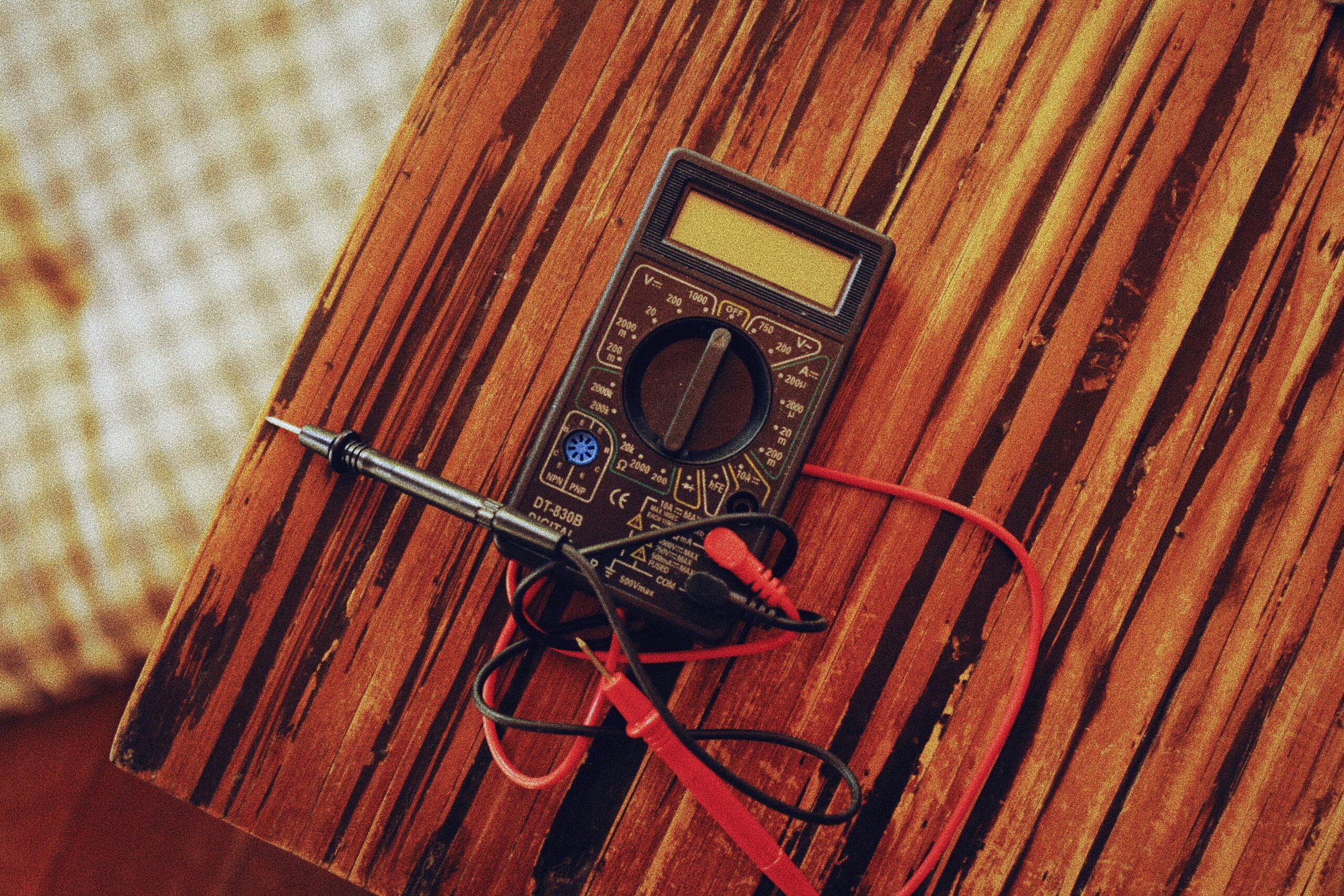
Step 4: Set your multimeter to continuity mode. The symbol looks like a sound wave or a diode arrow — it varies by meter. When you touch the two probes together, a working continuity setting beeps. If your meter only has a resistance (Ω) setting, use that — a reading near 0 ohms means continuity; OL or 1 means no continuity.
A basic digital multimeter is all you need for this test. A homeowner-grade model handles continuity, resistance, and voltage — useful for dryer repairs and dozens of other household diagnostic jobs.
Step 5: Touch one probe to each terminal on the fuse.
- Good fuse: The meter beeps, or reads near 0 ohms. The fuse is intact. The problem lies elsewhere — heating element, cycling thermostat, or gas valve components.
- Blown fuse: No beep, OL, or 1 on the display. The fuse has failed and must be replaced.
What Not to Do
Do not bypass the thermal fuse with a wire jumper — even temporarily to test whether the dryer runs. This removes the only protection against uncontrolled overheating and creates a real fire risk. If the fuse fails the continuity test, replace it properly.
A thermal fuse cannot be reset. There is no button, no trick, no workaround. Once it fails the continuity test, it is done.
Dryer Thermal Fuse Replacement: Step-by-Step Instructions
Before ordering a part, confirm you have the right one. The replacement fuse must match the OEM (original equipment manufacturer) temperature rating for your specific model — not just the connector style. A fuse rated too high will allow temperatures to climb past a safe threshold before tripping, which defeats the purpose of the repair.
Where to source it: Use your model number to find the exact part on RepairClinic, PartSelect, or directly through the manufacturer’s parts site. Most fuses cost $5–$20. Avoid generic “universal” fuses unless you’ve confirmed the temperature rating matches.
Step 1: Dryer is still unplugged.
Step 2: Remove the mounting screw or screws holding the old fuse in place — usually one or two Phillips screws.
Step 3: Pull the old fuse free. Attach the wire connectors to the new fuse. Terminals are typically keyed or interchangeable, but confirm they seat firmly before installing.
Step 4: Mount the new fuse in the same position and orientation as the old one. The fuse must make contact with the exhaust duct or housing it was originally mounted to — that contact is how it monitors temperature.
Step 5: Reassemble the dryer panels in reverse order.
Step 6: Plug the dryer in and run a 10–15 minute test cycle before loading clothes. Feel for heat output at the drum and listen for normal motor operation.
Expected result: The dryer heats normally and completes the cycle. If dryer heats but performance is still off after the fuse replacement, that guide can help you identify what else may be affecting drying efficiency. If the dryer does not heat at all, the thermal fuse was not the only problem — move on to testing the heating element or cycling thermostat. If the new fuse blows again within a few cycles, the root cause has not been fixed (see the next section).
Why the Thermal Fuse Blew — and How to Stop It Happening Again
A fuse that blows twice is not bad luck. It means something is still wrong. Recurring dryer thermal fuse blown symptoms always point back to an unresolved root cause.
Root Cause 1: Clogged Exhaust Vent (Most Common)
Disconnect the duct at the back of the dryer, run a short cycle, and hold your hand near the wall opening. Airflow should be strong and steady. Weak flow or no flow means the duct is blocked — lint accumulation, a crushed section, or a stuck exterior flap.
A full vent cleaning — from the dryer connection to the exterior termination — is the fix. Use a dryer vent cleaning brush kit to clear lint from the full duct length. If your duct is flexible plastic, Replace any flexible plastic duct with rigid or semi-rigid metal immediately. Plastic duct crushes easily, traps lint, and is a fire hazard.
Root Cause 2: Failed Cycling Thermostat
If the vent is clear, the cycling thermostat is the next suspect. This component turns the heating element on and off to maintain temperature. A failed thermostat (stuck open) lets the element run continuously until the thermal fuse trips.
Test it the same way you tested the fuse: disconnect the wires, set the multimeter to continuity, and touch the probes to each terminal. A good thermostat shows continuity at room temperature. No continuity at room temperature means it has failed and needs replacement.
Root Cause 3: Heating Element Grounded to the Housing
Less common, but worth checking if the vent is clear and the thermostat tests good. A shorted heating element can also cause continuous heat output. A continuity test between the element terminals and the element housing will reveal a ground fault — any continuity between element and housing means the element is shorted.
Prevention Checklist
- Clean the lint trap after every load — not occasionally, every time
- Clean the exhaust duct at least once a year; more often for large households or frequent heavy loads
- Check the exterior vent flap — it should open freely during operation and close completely when the dryer is off
- Replace any flexible plastic duct with rigid or semi-rigid metal
- Don’t overload the dryer — large loads reduce airflow through the drum and force longer cycles
Frequently Asked Questions
Will the dryer run at all with a blown thermal fuse? Depends on the model. Some dryers place the fuse only in the heating circuit — the drum runs but there is no heat. Others place it in the motor circuit — nothing runs at all. Both are classic dryer thermal fuse blown symptoms.
Can I reset a thermal fuse instead of replacing it? No. A thermal fuse is a one-time device. It does not reset. Replace it.
How do I know if it’s the thermal fuse or the heating element? Both can cause a dryer not heating — a thermal fuse failure is easier and cheaper to diagnose first. Test the thermal fuse first; it’s simpler to access and less expensive to replace. If it passes the continuity test, move to the heating element.
What happens if I bypass the thermal fuse? Do not do this. Bypassing the thermal fuse removes the only safety device protecting your dryer from uncontrolled overheating. A dryer running without a functioning thermal fuse can overheat without any protection, creating a serious fire risk. If the fuse fails the continuity test, replace it with the correct OEM-rated part — there is no safe shortcut.
Why did my new thermal fuse blow so quickly? The root cause was not fixed before the dryer was reassembled. A clogged exhaust vent or failed cycling thermostat is almost always responsible for repeat fuse failures. If you’re dealing with a dryer that has a history of recurring failures, it may be worth evaluating whether continued repair makes sense given the machine’s age and condition. Do not keep replacing fuses without addressing the underlying cause.
Does this apply to gas dryers too? Yes. Gas dryers also have a thermal fuse. The test method is identical. The heating system differs, but the fuse diagnosis process is the same.
Summary
Dryer thermal fuse blown symptoms — a dryer not heating, a thermal fuse interrupting the motor circuit, or a drum that won’t turn — are straightforward to confirm with a basic multimeter and about 20 minutes of work. Learning how to test a dryer thermal fuse with a multimeter before buying any parts is the step most people skip, and it’s the step that saves them from replacing the wrong component.
For dryer thermal fuse replacement to hold, the root cause must be fixed first. Clean the vent, test the cycling thermostat, and check the heating element for a ground fault. A new fuse that blows again within weeks means the underlying problem is still there. Fix it once, fix it right, and the repair will last.