
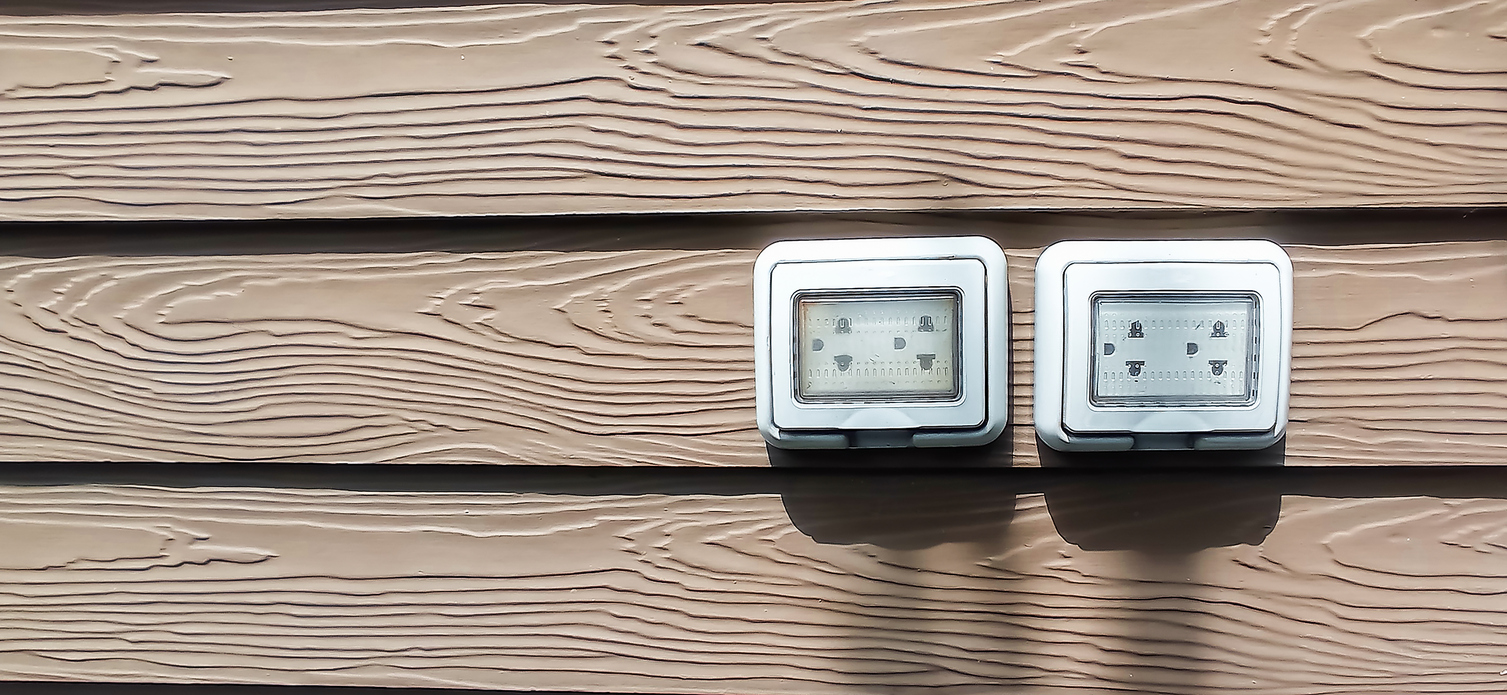
Your outdoor GFCI outlet keeps tripping — probably after rain, during a heat wave, or for no obvious reason at all — and it won’t stay reset. Before you replace anything, you need to know which of several distinct problems you’re actually dealing with. Some tripping means the GFCI is doing its job correctly. Some of it is GFCI nuisance tripping caused by weather and age. The difference matters, because the fix is completely different in each case.
Disclosure: This article contains affiliate links. If you purchase through these links, we may earn a small commission at no extra cost to you. As an Amazon Associate, we earn from qualifying purchases.
Why Your Outdoor GFCI Outlet Keeps Tripping More Than Indoor Ones
Outdoor GFCI outlets are exposed to heat, cold, UV, and moisture that indoor units never face. They also typically protect more than one receptacle: any outlet wired downstream of the GFCI will lose power when it trips, even if that downstream outlet looks fine and is located 20 feet away.
What a GFCI detects is a small current imbalance — roughly 4 to 6 milliamps — between the hot and neutral wires. It interprets that imbalance as current leaking through an unintended path, which could be a person. That sensitivity is the point. But outdoors, moisture, heat, and aging components can all create that same imbalance without any real danger — what electricians call GFCI nuisance tripping causes. The device can’t tell the difference, so it trips.
How Rain Causes GFCI Outlet Tripping Outdoors
GFCI outlet tripping in rain is almost always traceable to one of three moisture entry points. This is the most common reason an outdoor GFCI outlet keeps tripping, and the fix depends on which path the moisture is taking.
Water inside the outlet box or cover
Rain gets past a damaged or non-weatherproof cover and bridges the contacts inside the outlet. This creates a real current imbalance — the GFCI is doing exactly what it’s supposed to do. The problem isn’t the outlet; it’s the cover.
Condensation inside the box or conduit
Even without direct rain contact, temperature swings cause moisture to condense inside the outlet box or the conduit feeding it. You may see no rain damage but still have enough moisture to trigger a trip, especially on a cool morning after a warm, humid night.
Moisture in a downstream outlet or connected device
A garden light, a second exterior receptacle further along the circuit, or a tool left plugged in with a cracked cord can all introduce a fault. The GFCI trips even though the outlet you’re looking at appears completely dry. This is a common source of confusion.
How to diagnose moisture as the cause
- Unplug everything on the circuit. Check nearby exterior outlets — they may have lost power when the GFCI tripped, which confirms they’re on the same protected circuit.
- Try to reset the GFCI. If it holds with nothing plugged in, the fault is in a device or downstream outlet, not the GFCI itself.
- Inspect the cover. Is it a flat-face cover or an “in-use” bubble cover? Flat covers do not protect plugged-in cords from rain. If you’re routing a cord under a flat cover during use, water entry is almost certain.
- Open the outlet box carefully and look — without touching wiring — for water marks, corrosion, or visible moisture.
- If moisture is present: Use a hair dryer on low heat from a safe distance to dry the box. Wait 30 minutes, then reset.
- If it resets and holds: Moisture was the cause. The fix is the cover (see below).
- If it still won’t reset after drying: The moisture has damaged the GFCI itself or there is a wiring issue downstream.
If the outlet uses a flat-face cover and gets regular use with cords plugged in, replace it with an extra-duty in-use weatherproof cover — the kind with a bubble hood that closes over plugged cords and keeps rain out during use. This single fix resolves the majority of rain-related GFCI nuisance tripping.
Why Summer Heat Makes an Outdoor GFCI Outlet Keep Tripping
When an outdoor outlet trips in heat but resets fine in the morning or on cooler days, age is usually the factor. GFCI outlet tripping in heat is less common than moisture-related tripping, but it’s real — particularly in southern climates or on outlets mounted in direct sun.
Older GFCI devices have internal components that become heat-sensitive over time. A unit that tolerated summer temperatures for years may start tripping once it reaches 7 to 10 years of age. Direct sun on a dark cover or metal box can push internal temperatures well above the ambient air temperature. Heat can also cause loose wire connections to lose contact intermittently, creating the imbalance the GFCI detects.
How to identify heat as the cause
- The outlet trips on hot, sunny afternoons but resets fine in the morning or on cooler days
- No visible moisture; cover is intact and sealed
- The outlet is in direct sun and the cover surface is hot to the touch when it trips
If this pattern matches your situation and the unit is more than 7 to 10 years old, replacement is the correct fix. Resetting an aging, heat-sensitive GFCI repeatedly is not a solution — the device is near end of life.
How to Diagnose an Outdoor GFCI Outlet That Keeps Tripping
Work through this sequence before replacing any hardware. It takes about 10 minutes and will tell you exactly where the fault is.
Tools needed:
- A non-contact voltage tester — essential before you touch any wiring or open any box
- A GFCI outlet tester (optional, useful for confirming correct wiring after a repair)
Diagnostic sequence:
- Unplug everything from every outlet on this circuit. Outdoor GFCIs often protect multiple downstream receptacles. Check all adjacent outdoor outlets for power — if they’re dead, they’re on the same circuit.
- Check the circuit breaker first. A tripped breaker will prevent the GFCI from resetting regardless of the outlet’s condition. Reset the breaker before trying the GFCI.
- Press the RESET button. If it won’t stay in with nothing plugged in and no moisture visible, the fault is in the outlet or the wiring feeding it.
- If it resets with nothing plugged in: Plug devices back in one at a time. When the GFCI trips again, the last device or outlet you added is the source of the fault. Inspect that device’s cord for cracks or damage, or inspect that downstream outlet for moisture.
- If it won’t reset with nothing plugged in: Do not force the button. The fault is in the outlet itself or in the wiring. See the escalation section below.
- Inspect the outlet cover. Look for cracks, a missing or compressed gasket, or a flat-face cover on an outlet used with cords plugged in.
Fixes That Stop an Outdoor GFCI from Tripping in Bad Weather
Fix 1: Replace a damaged or inadequate outlet cover
Flat-face covers are not designed for use while cords are plugged in. Replace with an extra-duty in-use weatherproof cover. Even if the cover is the correct bubble type, check the gasket — if it’s cracked or compressed flat, the cover is no longer sealing properly and should be replaced. This is the right fix for most GFCI outlet moisture problems and the most common reason an outdoor GFCI outlet keeps tripping in rain.
Fix 2: Dry and seal the outlet box
After drying the box, inspect whether the box itself has gaps where it meets the wall surface. If there are visible gaps around the edges, apply a thin bead of exterior-grade caulk to seal them. Only do this where there are actual gaps — do not caulk a properly sealed box. Let the caulk cure fully before restoring power.
Fix 3: Replace an aging GFCI outlet
If the unit is 10 or more years old, trips without a clear external cause, or won’t reset after thorough drying, replacement is appropriate. Turn off the circuit breaker before touching any wiring — and confirm it’s off with a non-contact voltage tester before opening the box. Photograph the existing wiring connections before disconnecting anything. Match the new outlet’s amperage to the existing breaker (most outdoor circuits are 15A or 20A — check the panel label). A GFCI outlet with LED indicator is a manageable homeowner task when the wiring is straightforward — the LED makes it easy to confirm the outlet is powered and protected at a glance. If you open the box and see more than two sets of wires, aluminum wiring (silver-colored rather than copper), or anything that looks modified, stop and call an electrician.
Fix 4: Address a faulty downstream outlet or device
If your testing identified a specific device or downstream outlet as the source of the trip, isolate that component. Damaged extension cords or tool cords should be discarded, not repaired. A downstream outdoor outlet with moisture damage inside the box should be dried and re-tested; if corrosion is visible on the contacts or wiring, replace that outlet.
What Not to Do — and Why Common Fixes Fail
Don’t force the RESET button repeatedly. If the button won’t stay in, there’s a reason. Forcing it doesn’t fix the underlying cause and can mask a real fault.
Don’t replace the GFCI before checking the cover. The most common and expensive mistake homeowners make is buying a new outlet when the existing one is working correctly and simply got wet through a failed cover. Replace the cover first and test.
Don’t assume the problem is at the outlet you’re looking at. Outdoor GFCI outlets protect downstream receptacles. The fault causing your outdoor GFCI outlet to keep tripping may be at a second outlet 30 feet away or in a device plugged into it.
Don’t route extension cords under a flat-face cover during rain. A flat cover with an extension cord routed underneath it provides no weather protection at the point of entry. If you use outdoor outlets regularly with cords plugged in, the cover type matters — and getting it wrong will keep causing the same problem.
When a Tripping GFCI Is Telling You Something Needs an Electrician
Not every tripping GFCI is a nuisance trip. Some of them are the device detecting a real fault.
Call a licensed electrician if:
- The GFCI won’t reset with nothing plugged in, no visible moisture, and no obvious cover damage
- You see burn marks, melted plastic, or smell something burning near the outlet or inside the box
- The wiring inside the box is aluminum (silver-colored wire, not copper)
- There are more than two sets of wires inside the box, or the wiring looks modified or non-standard
- The outlet has tripped repeatedly in a short period with no identifiable cause
- The circuit breaker for this outlet also trips repeatedly
A GFCI that keeps tripping with no clear environmental trigger may be detecting a genuine ground fault somewhere in the wiring. That is not a nuisance trip — it is the device doing exactly what it was designed to do. Do not try to reset your way past it. If you’re dealing with other electrical puzzles around the house, our guide on 3-Way Switch Stopped Working: How to Troubleshoot It walks through a similar step-by-step diagnostic approach.
Prevention: Keep It from Happening Again
Once you’ve resolved the issue, two habits will prevent most repeat trips. At the start of each season, inspect all outdoor outlet covers: check that the gasket is intact and pliable, confirm the cover closes fully over plugged cords, and look for any cracks in the cover housing. Second, don’t leave devices plugged into outdoor outlets during extended rain unless both the cord and cover are rated for continuous outdoor use. Unplugging when you’re done removes the most common path for moisture-related GFCI nuisance tripping before it starts.
Frequently Asked Questions
Why does my outdoor GFCI outlet keep tripping every time it rains? GFCI outlet tripping in rain is almost always caused by water entering the outlet box through a flat-face cover, a cracked cover, or a deteriorated gasket. Water bridging the contacts inside the outlet creates a current imbalance that the GFCI detects and trips on. Replacing the cover with an extra-duty in-use weatherproof model resolves this in most cases.
How do I know if my outdoor GFCI outlet is bad or just wet? Dry the outlet box thoroughly with a hair dryer on low heat, wait 30 minutes, then try to reset. If it resets and holds with nothing plugged in, the outlet itself is functioning correctly — the problem was moisture. If it still won’t reset after drying, the GFCI device may be damaged or there is a wiring fault downstream.
Why does my outdoor outlet trip on hot days but not cool ones? When an outdoor outlet trips in heat but resets fine on cooler mornings, the GFCI’s internal components are likely degrading with age. Units older than 7 to 10 years can become heat-sensitive and trip at temperatures they once tolerated. Replacement is the correct fix, not repeated resetting.
Does one outdoor GFCI protect multiple outlets? Yes. A single GFCI outlet can protect multiple downstream receptacles wired to it. When the GFCI trips, all protected outlets on that circuit lose power — even outlets located 20 or 30 feet away. This is why the source of an outdoor GFCI outlet tripping problem is often not the outlet you’re standing in front of.
How long do outdoor GFCI outlets last? Most outdoor GFCI outlets have a functional lifespan of 10 to 15 years, though units in harsh climates or direct sun may degrade sooner. If your outlet is in that age range and tripping frequently without a clear cause, replacement is worth doing before spending more time diagnosing.
Can I reset a GFCI outlet that won’t stay reset? Not safely if the button won’t hold. A GFCI that won’t stay reset is detecting an imbalance — either from moisture, a faulty device, or a wiring problem. Work through the diagnostic steps above to find the cause before attempting further resets. Do not force the button.