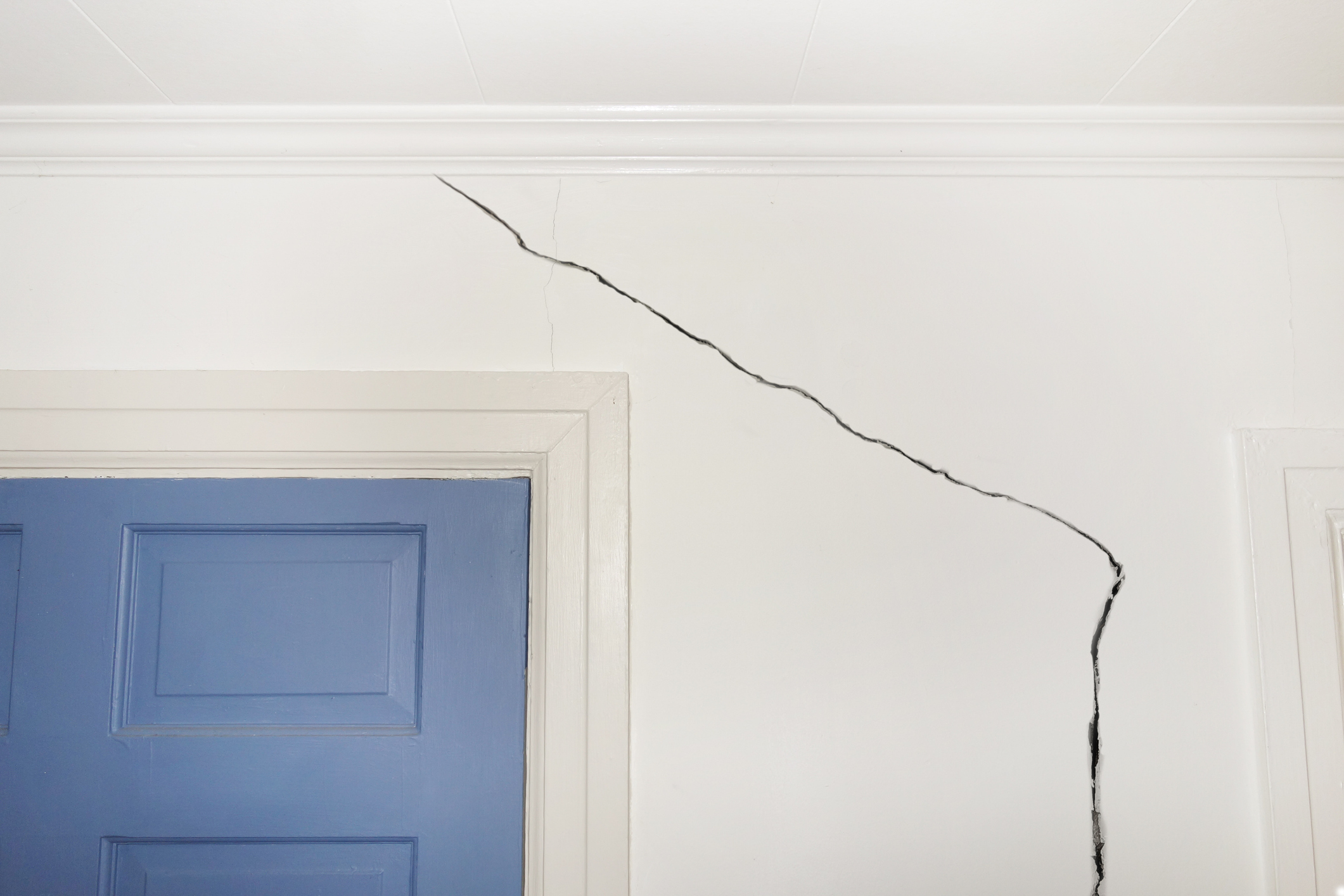
You move into your new home, get everything unpacked, and six months later you notice a hairline crack running diagonally from the corner of a door frame. Or maybe it’s a thin line along a drywall seam in the hallway. Your first thought is: something is wrong with this house.
I get it. I had the same reaction the first time I saw cracks appear in a home that was barely a year old. But here’s what I wish someone had told me earlier — wall cracks in new homes are almost always expected, and in most cases they’re telling you the house is doing exactly what it’s supposed to do.
This guide explains why walls crack in new homes, what the two main causes look like, how to tell the difference between normal and genuinely worrying, and when to repair versus when to wait. By the end, you’ll have a clear framework for reading your own walls without the anxiety.
Disclosure: This article contains affiliate links. If you purchase through these links, we may earn a small commission at no extra cost to you. As an Amazon Associate, we earn from qualifying purchases.
Why Walls Crack in New Homes: The Two Main Causes
Understanding this starts with what’s actually behind that drywall — and what happens to it in the first couple of years.
House Settlement
Settlement is the gradual compression and shifting of a home’s foundation and framing as the structure adjusts to the weight it carries and the soil it sits on. No matter how carefully a home is built, the ground underneath it will compact slightly under load. The framing will compress. The structure finds its equilibrium over time.
Most of this movement happens in the first one to three years. Builders know this — they account for it in their designs and their warranties. Settlement is not a defect. It’s physics.
The way house settlement causes drywall cracks that new construction owners notice is indirect: the framing shifts slightly, and the rigid drywall attached to that framing can’t flex with it. Something has to give, and that’s usually the drywall seam or the tape joint — the weakest points in the surface.
Drywall Shrinkage
This one surprises a lot of people. The lumber used to frame a new home contains moisture when it’s milled and installed. Freshly framed walls are not built with bone-dry wood — that’s standard practice across the industry, not a sign of a corner being cut.
As that framing lumber dries out over the first 12 to 18 months, it contracts. When wood shrinks, it pulls at everything attached to it — including the drywall. The result is drywall shrinkage cracks, typically at seams, corners, and joints where the drywall panels meet.
The first winter is often when this becomes most visible. When you run your heating system for the first time in a new home, the indoor air gets significantly drier. That drop in humidity accelerates the drying of the framing, and cracks that might have appeared gradually over 18 months can show up all at once across several rooms. If you’re wondering why walls crack in new homes so visibly during that first heating season, this is exactly why.
Both of these causes — settlement and shrinkage — are normal. That doesn’t mean they aren’t annoying to look at, but they don’t indicate a structural problem.
What Normal Wall Cracks in a New Home Look Like
Knowing what you’re looking at takes most of the worry out of it. Here’s what normal new home wall cracks actually look like:
- Hairline cracks at drywall seams. These follow the taped joint between two drywall panels. Very thin, consistent, and predictable in location.
- Cracks at the corners of door frames and window frames. Stress concentrates at these points when framing shifts. A diagonal crack radiating from the corner of a door or window opening is one of the most common new home wall cracks normal homeowners encounter.
- Diagonal cracks from opening corners. These can look alarming because they run at a 45-degree angle, but in a new home they’re almost always caused by minor framing movement at a stress point — not a structural problem.
- Cracks along the ceiling-to-wall joint. This is often the first place shrinkage shows, especially in rooms that heat and cool regularly.
- Cracks where walls meet at corners. Interior corners are another seam point, and they move with shrinkage.
The characteristics that tell you a crack is normal: it’s thin (hairline to about 1/16 inch wide), the width stays consistent along its length, and there’s no displacement — meaning one side of the crack is not higher or lower than the other. The edges look dry, not wet or stained.
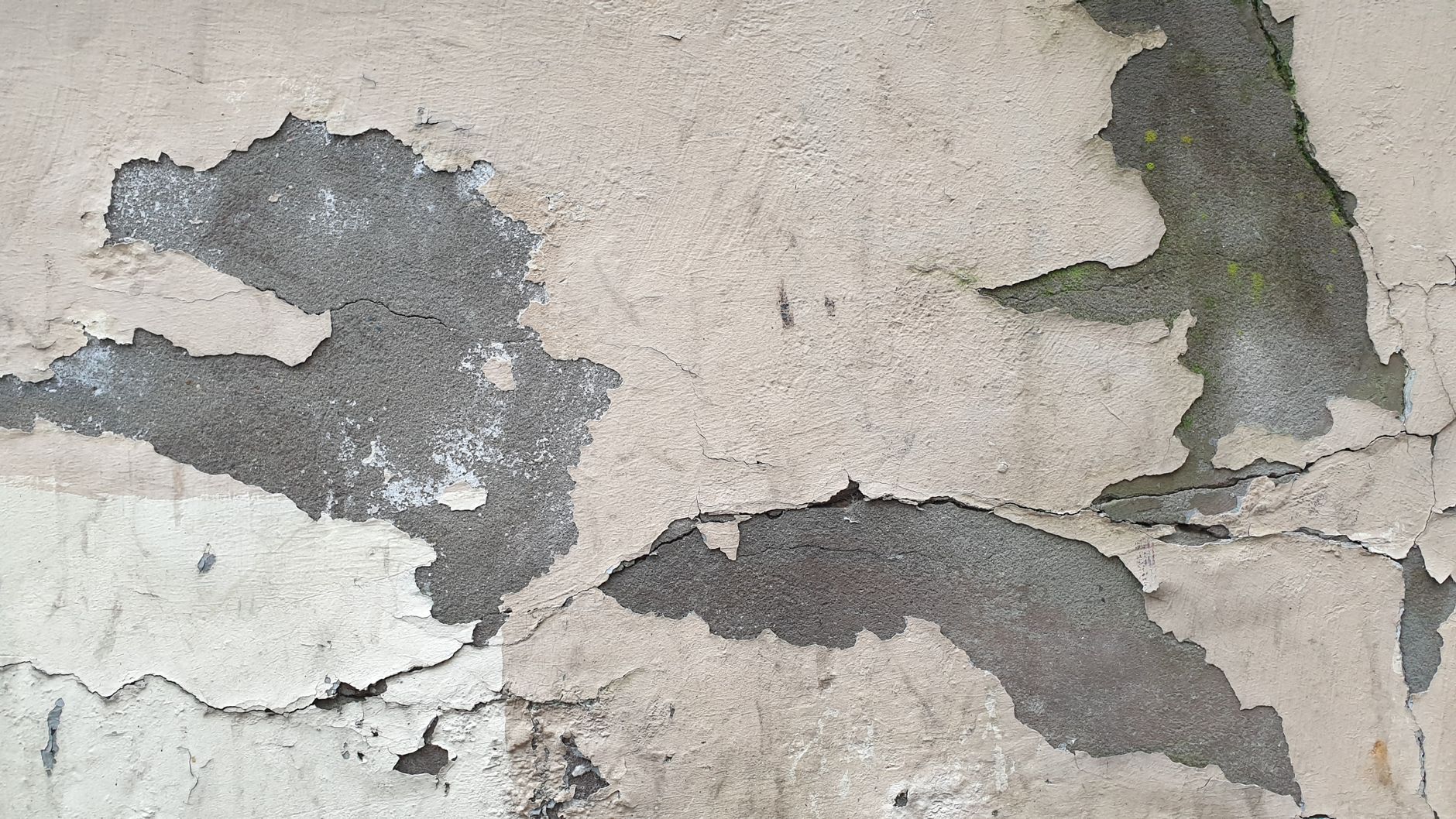
One thing worth separating out: paint can craze or crack along seams without the drywall underneath being damaged at all. If you see a network of very fine surface cracks that look more like a dried mud pattern, that may be a paint issue rather than a drywall issue.
Warning Signs: When Cracks in New Home Walls Are Not Normal
This is the section to pay attention to. Most cracks in new homes are cosmetic. But some are not, and the difference is specific. Understanding the distinction between a Hairline Crack vs. Structural Crack in Drywall: How to Tell the Difference can save you from either ignoring a serious problem or panicking over a cosmetic one.
Width matters. A crack approaching 1/4 inch wide warrants a closer look. A crack at or beyond 1/2 inch — stop and get a professional opinion before doing anything else.
Displacement is a red flag. Run your finger across the crack. If one side of the wall surface is higher or lower than the other, that’s not cosmetic cracking. That’s called step displacement, and it means structural movement.
Stair-step cracking in brick or block. If you have a brick exterior or a block foundation visible, stair-step cracks that follow the mortar lines suggest differential settlement — the foundation is moving unevenly. This is a different situation from the normal new home wall cracks described above.
Multiple cracks converging at one point. When several cracks radiate from a single spot, that’s a stress concentration point worth investigating.
Cracks that reopen after repair. If you patched a crack and it came back within a season, the home is still moving. That’s a signal to monitor more closely, and if it keeps recurring, to consult a professional. Knowing the 7 Warning Signs a Wall Crack Requires a Structural Engineer, Not a Patch Kit can help you make that call with confidence.
Cracks combined with other symptoms. This is the big one. A single drywall crack means very little. But if you’re also noticing doors that suddenly stick, floors that feel sloped, windows that won’t close properly, or gaps appearing at the ceiling line — that combination points to structural movement beyond normal settlement.
Moisture at crack edges. If the crack edges look wet, discolored, or there’s any mold growth, stop and find the moisture source before worrying about the crack itself.
Important: If you see displacement, stair-step cracking, or a combination of cracks with sticking doors and sloping floors, contact a licensed structural engineer — not a general contractor — for an assessment before you touch anything cosmetically.
Where Cracks Typically Appear First in a New Home
Knowing where to look helps you understand what you’re seeing. Cracks don’t appear randomly — they follow stress. This is true of all new home drywall cracking, whether the cause is settlement or shrinkage.
- Corners of door and window openings. These are the stress concentration points in any wall. When framing moves even slightly, the drywall cracks at the corner of an opening because there’s nothing backing it up at that point.
- Taped drywall seams, especially on ceilings. Ceiling drywall is under more stress than walls because it carries its own weight horizontally. Seams on ceilings often crack before walls do.
- The ceiling-to-wall joint. Temperature and humidity changes are greatest near the ceiling, and this joint is also a seam line — two reasons it shows shrinkage early.
- Interior corners where walls meet. These are filled with joint compound during finishing. When framing dries, that compound can crack cleanly along the corner line.
- Above large openings. Archways, large windows, wide doorways — the header framing above these spans is working harder, and any movement there telegraphs into the drywall quickly.
How to Monitor New Home Wall Cracks and Decide When to Act
The first thing to do when you notice a crack is nothing — at least not immediately. Do not make the same mistake I did and patch a crack in a house that is still settling. It came right back within two months.
Here’s a simple monitoring process:
- Mark and date the crack. Use a pencil to draw a short line across each end of the crack and write the date next to it. This takes 30 seconds and gives you objective data.
- Photograph it with a reference object. A coin or a ruler in the frame gives you accurate scale if you need to compare photos over time.
- Check it monthly. Is the crack extending past your pencil marks? Is it getting wider? Growing cracks need more monitoring time.
- Track the bigger picture. Are new cracks appearing? Are several cracks growing at the same time after the first year? That pattern is more significant than a single static crack.
When to repair: For normal-pattern cracks with no growth over at least one full seasonal cycle — ideally closer to 18 months — you’re likely in stable territory and can repair with confidence. Active cracks that are still growing should be monitored until they stabilize. One of the most common questions about why walls crack in new homes is whether you need to fix them right away — and the answer is almost always no.
Fixing Drywall Cracks in a New Home: Timing and Products
Patience is the first step. After that, product selection matters.
For most hairline and seam cracks, joint compound is the right material — it’s what the original finish was applied with, and it feathers and sands well. For very small, isolated cracks, spackling compound is a faster option. The differences between spackling compound and joint compound are worth understanding before you buy anything — choosing the wrong one can affect how well the repair holds. Once you’ve selected the right product, following a reliable process for how to fill and sand small drywall cracks for a smooth, paint-ready finish will help you get results that blend seamlessly with the surrounding wall.
For cracks that have opened enough that you can see the seam underneath, you’ll want tape reinforcement before applying compound. A drywall patch kit that includes mesh tape and pre-mixed joint compound handles this well and keeps everything in one box — genuinely useful for this exact scenario.
For cracks at the ceiling-to-wall joint or along trim lines and corners, paintable latex caulk is often the better choice over compound. These joints experience seasonal movement — the wall expands and contracts slightly as humidity changes. Caulk stays slightly flexible after it cures, which means it won’t recrack as easily as rigid compound in a moving joint. A basic caulk gun loaded with paintable latex caulk is the right tool for those locations. In wet areas like a kitchen or bathroom, a waterproof silicone caulk is the better choice — it holds up to moisture and won’t break down at joints that see regular humidity.
On surface prep: clean the crack out, and if it’s a hairline, widen it slightly with a utility knife so the compound has something to grip. Apply in thin coats — thick applications shrink and crack on their own. Sand lightly between coats.
After any repair, prime before painting. Bare joint compound is porous and will absorb topcoat paint unevenly, leaving a dull patch visible through the finish.
Frequently Asked Questions
Is it normal for a brand-new house to have cracks in the walls? Yes. Within the first one to three years, hairline cracks from settlement and lumber drying are expected and do not indicate a defect. Understanding why walls crack in new homes — specifically due to settlement and framing shrinkage — is the first step toward not being alarmed when you see them.
How long does new home settlement cracking last? Most active cracking from shrinkage and initial settlement occurs in the first 12 to 18 months. A full two-year cycle is a reasonable window before assuming the home has fully stabilized. New home wall cracks that appear only in that early window and then stop growing are almost always cosmetic.
Should I repair cracks in my new home right away? No. Repairing before the home stabilizes means the crack is likely to reopen. Monitor first, and repair after at least one full seasonal cycle. This is one of the most important things to understand about drywall cracks in new construction.
What size wall crack is a problem? Hairline to 1/16 inch is normal. Cracks approaching or exceeding 1/4 inch, especially with any displacement between the two sides, warrant a professional assessment. Width alone isn’t the only factor — displacement and accompanying symptoms matter just as much.
Why are there cracks above my doors and windows? Corners of openings are stress concentration points. When framing shifts slightly during settlement, drywall tends to crack at the weakest point, which is the corner of an opening. These diagonal cracks are among the most common new home wall cracks that homeowners find alarming but are rarely a serious concern.
Does a homebuilder warranty cover settlement cracks? Most new home warranties cover structural defects but classify cosmetic drywall cracks as normal wear. Check your specific warranty terms — typically one year for workmanship defects and ten years for structural issues. If you’re unsure whether your house settlement cracks qualify, document them with photos and dates and contact your builder before the workmanship warranty expires.
Conclusion
Wall cracks in new homes are almost always caused by one of two things: house settlement as the structure adjusts to its load and the soil beneath it, or drywall shrinkage as the framing lumber dries out. Both are normal, both are expected, and neither means your home has a problem.
Normal cracks are thin, consistent in width, show no displacement, and appear at predictable stress points like door corners, ceiling seams, and wall joints. They’re most active in the first 12 to 18 months and taper off as the home stabilizes.
The warning signs to watch for are specific: cracks wider than 1/4 inch, displacement between the two sides of a crack, stair-step patterns in masonry, multiple cracks converging, cracks that reopen after repair, or any crack combined with sticking doors, sloping floors, or windows that won’t close. Those warrant a structural engineer’s eyes — not a cosmetic fix.
Monitor before you repair. Mark, date, and photograph cracks. Wait for at least one full seasonal cycle before patching. Then use the right product for the location — joint compound for flat seams and field cracks, paintable caulk for corners and trim lines.
For help choosing between products for your specific repair, Spackling Compound vs. Joint Compound for Drywall Cracks covers that decision in detail. And if you’re ready to get into the repair itself, How to Patch a Drywall Hole: Small Repairs vs. Panel Replacement walks through the method — the same thin-coat, feathering approach applies to crack repair as well.