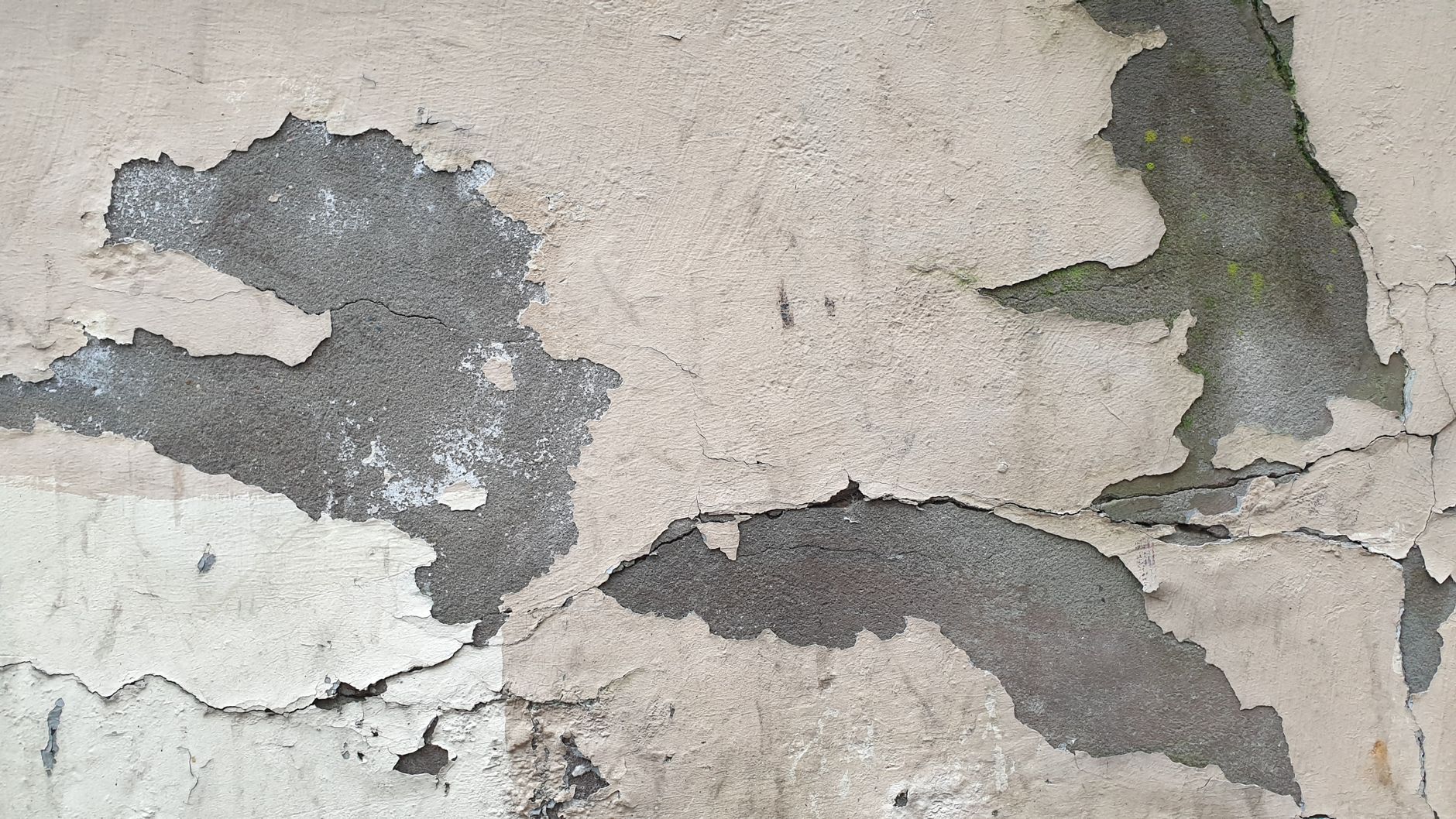
If you follow the steps in this guide, you’ll end up with a wall that’s smooth, properly primed, and ready for a finish coat that actually sticks. That’s the goal here. Knowing how to remove peeling paint from walls correctly isn’t just about getting the loose material off — the sequence matters, and the prep work is what determines whether the repair holds for years or fails again in a few months. Most DIY paint repairs fail not because the scraping was wrong, but because edge feathering was skipped, primer was omitted, or an underlying moisture issue was painted over. Get the process right from the start, and you won’t be back at this wall in six months.
Why Peeling Paint Keeps Coming Back When You Skip Proper Prep
Most people grab a scraper, knock off the loose material, and reach for the paint can. It looks like a quick fix. But if you leave any partially bonded paint edges behind, the new coat bonds to unstable material. Within months, those edges lift again and take the fresh paint with them — and you’re back to removing peeling paint from walls all over again.
The second mistake is skipping primer after patching. Joint compound is highly porous. Paint applied directly over unprimed compound gets absorbed unevenly, leaving a dull, flat patch even when the color matches exactly. That’s not a color problem — that’s a prep problem caused by differential surface porosity.
Follow each step in order. Every step in this process exists because skipping it causes a specific, predictable failure in the next one.
Disclosure: This article contains affiliate links. If you purchase through these links, we may earn a small commission at no extra cost to you. As an Amazon Associate, we earn from qualifying purchases.
Tools You Need for Removing Peeling Paint from Walls Without Gouging
Drywall and plaster are softer than wood trim. They gouge easily — especially drywall, where the paper face can tear if you catch it at the wrong angle. Tool choice and technique matter more on these surfaces than most people expect.
What you’ll need:
- 3-inch and 6-inch stiff-blade putty knives — Use the 3-inch for tight areas and initial scoring, the 6-inch for broader scraping and applying compound. Do not use a wide taping knife for scraping — it’s too flexible and gives you less control over pressure and angle.
- 120-grit and 220-grit sandpaper or sanding sponge — 120-grit for feathering compound edges, 220-grit for final smoothing before primer.
- N95 dust mask — Minimum. If your home was built before 1978, wear it during any scraping until you’ve confirmed the paint is lead-free. More on that in the next section.
- Drop cloth or painter’s plastic — Protect the floor and any nearby trim. Paint flakes and compound dust travel further than you’d expect.
- Lightweight pre-mixed joint compound — This is your patching material. Products like DAP 10102 wallboard joint compound or USG Sheetrock All-Purpose Joint Compound are widely available and suitable for most interior wall repairs. A standard all-purpose lightweight compound works for the majority of peeling paint repairs on drywall or plaster.
- Primer — PVA (polyvinyl acetate) drywall primer for standard repairs, shellac-based primer if moisture caused the peeling. Full details in the priming section.
- Tack cloth or damp rag — For removing dust before patching and before priming.
One important thing to avoid: Do not use a wire brush or power sander on drywall. A wire brush shreds the paper face and creates damage that’s worse than the original peeling. A power sander removes material too aggressively and is nearly impossible to control on soft drywall. Hand tools only for this job.
Step-by-Step: How to Remove Peeling Paint from Walls (Drywall or Plaster)
This is the core of the repair process. Work through each step in sequence before moving to the next. Skipping ahead — particularly past the lead test or the scoring step — creates problems that are harder to fix later.
1. Clear and protect the area. Lay your drop cloth on the floor below the repair. If there are outlet covers near the work area, remove them — compound dust gets into receptacles and can cause problems later. Tape off any trim if you’re working near edges. Setting this up takes five minutes and saves a significant amount of cleanup afterward.
2. Test for lead paint if the home was built before 1978. Lead paint remains present in millions of older homes and is not always visible or obvious. A lead test swab is inexpensive and takes about two minutes. You can find them at any hardware store. If the test comes back positive, stop work immediately and contact a certified lead abatement professional. Do not dry-scrape lead paint — the fine particulate dust generated during scraping is a serious inhalation and ingestion hazard. This step is non-negotiable if you’re in an older home.
3. Score the boundary of the peeling area. Before you scrape anything, use your 3-inch putty knife to lightly score around the outermost edge of the loose paint. Hold the blade at roughly 10 to 15 degrees — nearly flat against the wall. This defined cut line prevents the scraping action from pulling sound, well-adhered paint off the wall beyond the repair zone. It’s a small step with a disproportionate effect on how cleanly the repair turns out.
4. Scrape at a low angle. Keep the blade nearly flat — maintain that same 10 to 15 degree angle — and push forward with light, even pressure. Let the blade slide under the loose paint and lift it away from the surface. The mistake most people make is rocking the handle upward as they push. That motion drives the blade tip directly into the drywall face or plaster and creates a gouge that now needs additional patching. Flat angle, controlled forward pressure, let the tool do the work.
5. Work from the edge inward. Start at the scored boundary line and scrape toward the center of the loose area. This direction prevents the blade from undercutting stable paint at the perimeter. Working outward from the center pushes mechanical force toward the edges and risks extending the damaged zone.
6. Inspect for additional loose edges. Once you’ve cleared the obvious loose paint, press firmly with a fingertip around the entire scraped perimeter. If any paint moves, flexes, or sounds hollow when tapped, it needs to come off. New paint will not form a reliable bond over partially attached old paint — the new coat simply transfers the instability upward. Be thorough here. It’s considerably faster to deal with additional loose material now than to remove peeling paint from walls again after repainting.
7. Remove dust and debris. Wipe the area down with a tack cloth or a barely damp rag. Let it dry completely before patching. Applying compound over dusty or damp drywall compromises adhesion at the substrate level and can cause the patch to crack or release later.
What success looks like: A clearly defined depression or raw surface where the paint was removed, with firm and stable paint edges on all sides. The surrounding paint should show no flex and produce no hollow sound when tapped firmly.
How to Feather and Sand Edges So the Wall Looks Flat After Painting
This is the step where most DIY peeling paint repairs fail visibly. Skip the feathering, and you’ll see the patch as a raised or recessed edge under the new paint — even with two or three coats applied over it. Feathering refers to extending the compound thinly outward from the repair so the transition between the patched area and the original wall surface is gradual rather than abrupt. When done correctly, the eye reads the surface as continuous.
1. Apply a thin first coat of joint compound. Use your 6-inch putty knife. Load a modest amount of lightweight pre-mixed compound and spread it over the raw area, extending 2 to 3 inches beyond the repair boundary in all directions. Keep it thin — no more than 1/16 to 1/8 inch on this first pass. Thick coats are tempting when you’re looking at a noticeable depression, but they cause problems: as the water in the compound evaporates during drying, the material shrinks. A coat that’s too thick shrinks unevenly and cracks, requiring you to start the patching process over. Thin coats avoid this entirely.
2. Let it dry fully. Lightweight joint compound dries white when it’s fully cured. If you see gray or darker areas anywhere in the patch, moisture is still present — wait longer. Do not attempt to speed up drying with a heat gun directed at drywall. Concentrated heat can cause the compound to crack as it dries too rapidly, and it can cause the drywall paper beneath to bubble or delaminate. Patience at this stage prevents a compounded repair problem.
3. Sand with 120-grit. Once fully dry, sand in circular motions to knock down ridges and begin blending the compound edge into the surrounding wall surface. The objective is a gradual, feathered transition — not a visible step between the compound and the original paint. Work the perimeter of the patch more than the center.
4. Apply a second skim coat if needed. Run your hand across the area in different directions. If you detect low spots, sanding marks, or any unevenness, apply another thin skim coat, allow it to dry completely, and sand again. Most repairs require two coats to achieve a truly smooth result. Some require three. Do not proceed to primer before the surface is genuinely flat — primer does not fill surface irregularities.
5. Final sand with 220-grit. This is the finishing pass. Use light pressure and sand in long, even strokes. Then hold a flashlight at a shallow angle to the wall — this is called raking light — and look across the surface. Any ridges, bumps, or compound-to-wall transitions will cast a small shadow and become immediately visible. If you see edges or transitions, continue sanding. When the surface appears continuous in raking light, you’re ready for primer.
What success looks like: No visible edge or shadow in raking light. The surface feels smooth and uninterrupted under your hand when you run it across the repair in any direction.
Priming the Repaired Area Before You Repaint Peeling Paint Patches
This step is not optional, and understanding why makes it easier to follow consistently. Joint compound is a highly porous material, and it absorbs paint at a fundamentally different rate than the surrounding painted wall surface. When paint is applied directly over unprimed compound, the compound draws moisture and pigment into its surface unevenly. The result is what painters call “flashing” — a dull, flat patch that reads visually differently from the rest of the wall even when the paint color is an exact match. The difference in appearance isn’t about color; it’s about how the two surfaces — sealed paint film versus raw compound — absorb light differently because of their different porosity levels. Primer seals the compound, equalizes the surface porosity across the repair and the surrounding area, and gives the topcoat a chemically consistent surface to grip.
What to use:
- PVA drywall primer (polyvinyl acetate) — The standard choice for most peeling paint repairs. Products like Glidden PVA Interior Drywall Primer or KILZ 2 Multi-Surface Stain Blocking Interior Primer are widely available and perform well over fresh compound. Apply one coat and allow the recoat window specified on the label — typically 30 to 60 minutes for PVA — before applying your finish paint.
- Shellac-based primer — If the original peeling was moisture-related, a shellac-based primer such as Zinsser BIN is the more appropriate choice. Shellac-based formulations block stains more aggressively and create a more complete moisture seal. Use this when there’s any reasonable possibility that moisture was a contributing cause of the peeling.
One practical consideration: If you’re priming only the repair patch and not the surrounding wall, the spot may still show a slight sheen or reflectivity difference compared to the adjacent painted surface, particularly in flat or matte finishes. For the most visually consistent result — especially on walls where lighting is raking or directional — prime the entire wall rather than just the patch. In high-humidity rooms, Choosing the Right Paint Sheen for Bathrooms and Kitchens to Prevent Peeling is also worth reviewing before selecting your finish coat, since sheen level directly affects how well paint holds up in moisture-prone environments.
What success looks like: A uniform, matte primer coat across the repair with no visible variation in sheen between the patched and surrounding areas. The surface should feel slightly chalky and accept a fingernail scratch without glossing.
When Peeling Paint on Walls Is a Sign of a Bigger Problem
Most peeling paint on walls is cosmetic — the result of old paint, humidity cycling, or a previous coat applied without adequate primer. The steps above are all you need for the majority of repairs. But certain patterns indicate a problem that a fresh coat of paint will not solve. Before proceeding to paint, run through this brief check.
Recurring peeling in the same spot. If you’ve repaired this exact area before and it’s peeling again within a year, moisture is the likely underlying cause. Look for a slow plumbing leak above or behind the wall, a roof penetration allowing water intrusion, or condensation from poor insulation in an exterior wall cavity. Repainting without identifying and eliminating the moisture source will produce the same result again, often faster than the first time.
Bubbling or blistering paint. Active bubbles beneath the paint surface usually indicate moisture migrating through the wall from behind — not from the room side. Identify the moisture source and resolve it before doing any surface work.
Soft, spongy, or crumbling drywall beneath the peeling area. If the drywall feels soft when you press it firmly, or if the paper face or gypsum core crumbles when scraped, the substrate itself is water-damaged. Surface prep and joint compound will not stabilize compromised drywall. The damaged section needs to be cut out and replaced with new material before any patching or painting.
Visible mold or mildew beneath the paint. Stop here entirely. This is not a paint repair problem — it is a mold issue that requires professional assessment. Do not sand it, do not prime over it, and do not attempt to seal it with primer. Mold inside wall assemblies indicates a moisture intrusion problem that needs to be diagnosed and corrected at the source.
If none of these conditions apply to your situation, move forward with confidence. The process outlined above addresses the full scope of a standard peeling paint repair.
Frequently Asked Questions About Removing Peeling Paint from Walls
Can I paint over peeling paint without scraping it first? No. Painting over peeling paint traps unstable material under the new coat. The loose edges continue to release from the wall, and the new paint lifts with them — often in larger sections than the original peeling. Scraping is not optional; it’s the step that determines whether the new coat has anything stable to bond to.
What’s the difference between joint compound and spackle for wall repairs? Spackle is a premixed filler designed for small holes and minor surface defects. It dries faster and sands easily, but it’s not well-suited for the thin, wide feathering required to blend a peeling paint repair invisibly into the surrounding wall. Lightweight joint compound is more workable, spreads thinner, and feathers more smoothly over larger areas — which is why it’s the better choice for this type of repair.
How long should joint compound dry before sanding? Lightweight pre-mixed joint compound typically requires four to six hours to dry under normal interior conditions — around 70°F with moderate humidity. Higher humidity or lower temperatures extend that significantly. The reliable indicator is color: the compound should be completely white with no gray or dark areas remaining. Sanding before the compound is fully dry drags wet material across the surface and creates grooves that are difficult to correct.
Do I need to prime the whole wall or just the repaired spot? Priming the entire wall produces the most consistent result, particularly in flat or matte finishes where sheen differences are most visible. If time or paint inventory is a constraint, spot-priming the repair is adequate for function — the compound will be properly sealed — but there may be a slight visual sheen variation between the primed patch and the surrounding unprimed surface, especially in directional lighting.
How do I know if my paint is peeling because of moisture? Moisture-related peeling typically has distinct characteristics: bubbling or blistering under the paint film, peeling that recurs in the same location after repair, peeling that concentrates near windows, exterior walls, or plumbing walls, and soft or discolored drywall beneath the paint. Purely cosmetic peeling — from age or inadequate primer — tends to be more uniform across a wall area and does not recur in the same spot after proper repair.
Is peeling paint in an older home a lead paint risk? It can be. Homes built before 1978 may contain lead-based paint, and peeling or deteriorating lead paint is the primary exposure risk for both children and adults. Before scraping any paint in a pre-1978 home, use a lead test swab to check. If the result is positive, do not proceed with dry scraping. Contact a certified lead abatement contractor for guidance. Lead test swabs are available at hardware stores and are inexpensive relative to the health risk.
Can I use a heat gun to speed up joint compound drying? Not on drywall. Directed heat causes joint compound to dry too rapidly on the surface while moisture remains trapped beneath, leading to cracking and sometimes delamination from the drywall paper. It can also cause the drywall paper itself to bubble. Room-temperature drying with adequate ventilation is the correct method. If the repair environment is unusually humid, improve air circulation rather than applying direct heat.
What grit sandpaper should I use for feathering drywall compound? Use 120-grit for the primary feathering passes — it removes compound efficiently while still allowing control over how much material you remove. Follow with 220-grit for the final smoothing pass before primer. Coarser grits like 80-grit remove material too aggressively for this application and can scuff or damage the surrounding paint surface. Finer grits like 320 are unnecessary at this stage and don’t improve the outcome.
When the job is done correctly, the result is clear and verifiable: the wall is smooth to the touch, shows no visible edge or shadow in raking light, and holds firm when you press your thumb against the repaired surface with real pressure — no flex, no give, no movement. The primer coat is uniform before any paint goes on. A repair completed with this level of preparation should hold as long as the rest of the wall. If there was an underlying cause — moisture, a slow leak, condensation — address that first. The prep work is what makes paint stick. Address the underlying cause, execute the prep correctly, and the repair takes care of itself.

DIY Home Repair & Plumbing