Most homeowners who spot a crack reach for spackling paste before they’ve taken a proper look. Reading cracks in walls and ceilings — understanding what each pattern actually signals — is a more valuable first step than filling them. A crack is a symptom. The pattern tells you what caused it, and that determines whether you’re looking at a five-minute cosmetic repair or something that needs professional eyes.
This guide covers interpretation and diagnosis. Repair technique is a separate decision that comes after you’ve understood what you’re dealing with. Once you’ve identified the pattern and confirmed the crack is stable, the next step is repair — technique for filling and finishing is covered in our guide to filling and sanding small drywall cracks for a smooth, paint-ready finish.
Disclosure: This article contains affiliate links. If you purchase through these links, we may earn a small commission at no extra cost to you. As an Amazon Associate, we earn from qualifying purchases.
Why Wall and Ceiling Crack Patterns Matter Before You Reach for Spackling
The instinct to fill a crack immediately is understandable. It looks bad, and patching it feels productive. But filling a crack without understanding the cause can mask a developing problem. If the underlying issue continues, the crack will return — often wider.
Think of it this way: a crack is the wall’s way of showing you that something moved, shrank, swelled, or shifted. The shape, direction, width, and location of that crack all carry diagnostic information. Understanding wall crack patterns and their meaning is how you avoid wasting time on repairs that won’t last. For a broader look at how to approach unexpected home issues, the Why Is This Happening in My House? Complete Home Problem Diagnosis Guide is a useful companion resource.
After reading a crack, you should be able to land in one of three categories:
- Safe to repair — cosmetic crack with a known, stable cause; fill and paint with confidence
- Needs monitoring — crack may be stable, but you should track it before acting
- Needs professional assessment — pattern or severity suggests a structural or foundational issue
This guide walks through each major crack pattern and tells you which category it falls into.
Hairline Crack Patterns in Walls and Ceilings: What They Mean
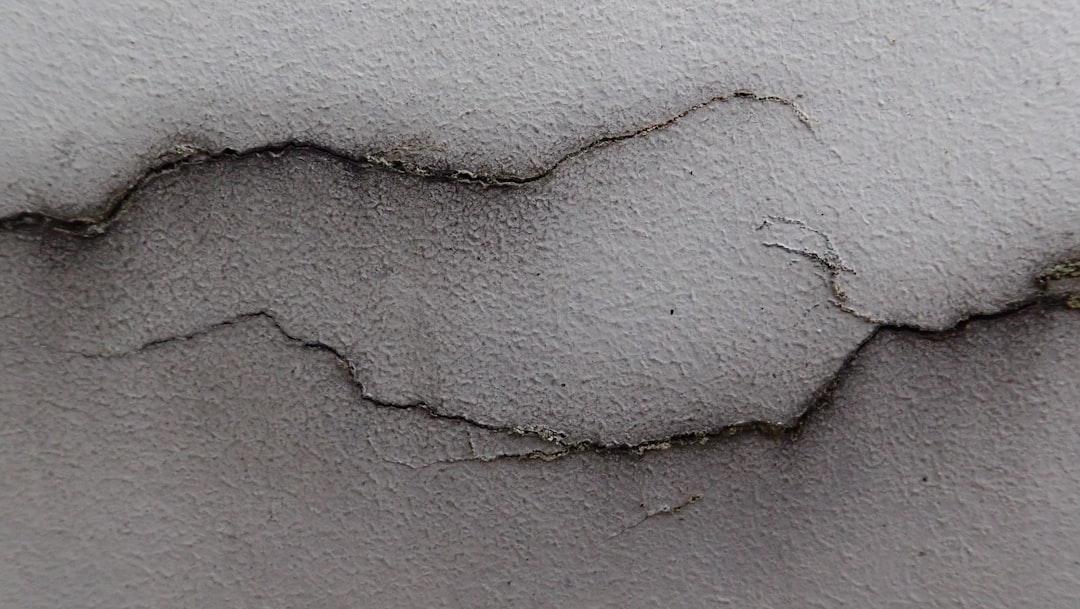
A hairline crack is less than 1/16 of an inch wide, sits at surface level, and shows no displacement — meaning both sides of the crack are flush with each other.
Where Hairline Cracks Typically Appear
- Along drywall seams where two panels meet
- Around door and window frames where different materials meet
- Across a painted surface, especially on older walls with multiple paint layers
What Causes Them
Hairline cracks are almost always caused by one of four things:
- Paint shrinkage — paint contracts as it cures, especially in thick or multi-layered applications
- Seasonal humidity cycling — drywall and wood framing expand and contract as indoor humidity rises and falls with the seasons
- Minor settling — normal in virtually every home, particularly in the first few years after construction
- Tape bond failure — the joint compound bonding drywall tape to a seam can crack over time without any structural problem underneath
In isolation, hairline cracks are not a structural concern. They are the most common type of wall crack and the most benign.
When a Hairline Crack Warrants a Closer Look
A hairline crack deserves attention if:
- It is visibly wider than it was a few months ago
- It keeps coming back after you repair it
- It is accompanied by other symptoms, like sticking doors or other cracks appearing nearby
To track whether a hairline crack is growing, mark both ends with a pencil and date the marks. A dedicated crack monitoring gauge — a small plastic or metal device that adheres across the crack and measures width change over time — is an inexpensive and more precise option. It removes the guesswork. It also gives you something concrete to show a contractor if the crack progresses.
Diagonal and Stair-Step Wall Crack Patterns Explained
These two patterns often get lumped together, but they appear in different materials and tell slightly different stories.
Diagonal Cracks
Diagonal cracks run at roughly 45 degrees. They almost always start at the corners of door frames or window openings. The opening creates a stress concentration point. When the structure shifts, even slightly, the corner is where the drywall gives first.
Cause: Differential settlement. This means the foundation or framing is moving unevenly. One side drops a little more than the other. The corner absorbs that stress as a diagonal crack.
How serious is it? Context matters. A single diagonal crack at one window corner in a 40-year-old house is common and usually stable. Multiple diagonal cracks across different walls and openings tells a different story. That is a pattern of movement, not a one-off event.
The direction a diagonal crack opens can suggest which side is settling lower. The crack tends to widen toward the side that has dropped.
Stair-Step Cracks
Stair-step cracks follow mortar joints in brick, block, or masonry walls. They step diagonally down the wall along the path of least resistance. You will see these on the exterior of older brick homes and on interior walls clad with brick or block veneer.
Mortar is the weakest point. It cracks first as the structure shifts over time. An isolated stair-step crack in stable, older masonry is often cosmetic.
When to escalate: If a stair-step crack is widening, recurring after repair, or accompanied by bowing or gaps at the wall’s edges, have a mason or structural engineer evaluate it before patching.
Horizontal Wall Cracks: The Pattern That Needs Immediate Attention
Horizontal cracks — running parallel to the floor — are in a different category from most other crack types. They are most significant when they appear on basement or lower-level walls.
Why Horizontal Cracks Are Different
Foundation and basement walls resist lateral soil pressure from outside. When that pressure exceeds what the wall can handle, the wall can bow inward. A horizontal crack is often the first visible sign of that happening.
This is not a cosmetic problem. No filler or patching material addresses what is happening structurally. The wall needs to be evaluated for inward movement.
How to Check for Bowing
Place a long straight edge or a 4-foot level flat against the wall surface. If there is a gap between the tool and the wall at the center, the wall has bowed. Even a small amount of inward movement at a horizontal crack is significant. A quality 4-foot level is the right tool for this check — it gives you a clear, accurate read across the full span of the wall. It is also useful for dozens of other home diagnostic tasks.
Any horizontal crack in a basement wall, particularly with visible bowing, requires a structural engineer or foundation specialist. This is not a job for a general handyman or a DIY fix.
Horizontal cracks on upper-level drywall walls — well above grade — are less alarming. They can result from framing shrinkage or truss uplift. Still worth identifying the cause before patching, but they are rarely the structural emergency that basement wall cracks can be.
Types of Ceiling Cracks and What Each Pattern Signals
Ceilings are worth reading carefully. The same-looking crack can have very different causes depending on its shape, location, and whether anything else is happening around it. Understanding the different types of ceiling cracks helps you decide whether to repair, monitor, or call a professional.
Hairline Cracks Along Drywall Seams
The most common ceiling crack. Tape joint failure and seasonal movement are the usual culprits. Generally cosmetic and safe to repair once the cause is confirmed as stable.
Spiderweb or Map Cracking
Fine, branching cracks that spread across a surface like a road map are typical of old plaster shrinkage or heavy paint buildup. The surface-level coating is cracking, not the structural material beneath. Usually cosmetic, though plaster that has fully separated from its lath will feel hollow when tapped.
A Single Straight Crack Running the Length of the Ceiling
This pattern warrants more investigation. A long straight crack running parallel to ceiling joists can indicate long-term truss or rafter movement — sometimes called truss uplift, where trusses flex seasonally. In an older home where the crack has been present for years without widening, it may be stable. A crack that appeared recently or is actively growing deserves a closer look.
Cracks Accompanied by Sagging
Sagging changes everything. Drywall that has dropped or bulged downward alongside a crack suggests water damage, fastener failure, or structural loading problems. Do not fill the crack and repaint — the cause must be identified first. Water-damaged ceiling drywall can fail suddenly.
If the ceiling is also showing ceiling paint bubbling or peeling paint near the crack, water intrusion from above is the likely cause. Trace and resolve it before any cosmetic repair takes place.
Cracks Around a Light Fixture or Ceiling Fan
A crack radiating from a ceiling fixture can indicate vibration from a fan, an overloaded electrical box, or improper installation. Before patching, check that the junction box is rated for the fixture’s weight, properly secured, and not loose in the ceiling.
A 500-lumen rechargeable LED work light is useful here. Hold it at a low angle to the surface to reveal crack depth, edge displacement, and any staining or debris around the fixture mount. These details tell you whether there is active movement, moisture, or a loose fitting behind the crack — information you need before deciding whether to patch or investigate further.
Hairline Crack vs Structural Crack: How to Tell the Difference
This is the core question when reading cracks in walls and ceilings. Here is a direct comparison:
A cosmetic (hairline) crack:
- Less than 1/16 inch wide
- Both sides are flush — no displacement
- Appears along seams, around frames, or across painted surfaces
- Stable — not growing or recurring after repair
- No accompanying symptoms like sticking doors or sagging
A structural crack:
- Often wider than 1/4 inch, or showing displacement where one side sits higher or lower than the other
- May be diagonal, stair-step, or horizontal — depending on the cause
- Active — visibly growing over weeks or months
- Accompanied by other signs of movement: sticking doors, windows that no longer close, other cracks appearing nearby
- In a basement or foundation wall, especially horizontal
A crack does not have to be large to be structural. Displacement — one side sitting at a different level than the other — is a more important indicator than width alone.
When Wall and Ceiling Cracks Are Structural Warning Signs
Most cracks are cosmetic. But certain characteristics elevate a crack from “patch and move on” to “get a professional assessment.” Here are the red flags:
- Width greater than 1/4 inch — cracks this wide suggest significant movement
- Step displacement — one side of the crack sits higher or lower than the other; this is not surface-only cracking
- Active movement — a crack that is visibly wider month over month is still in progress
- Sticking doors or windows — when doors or windows suddenly stop closing correctly, the framing around them has shifted; a nearby crack is likely related
- Multiple cracks appearing together — diagonal or stair-step cracks across several walls at once suggest a pattern of movement, not isolated settling
- Any horizontal crack in a basement or foundation wall, especially with bowing
- Cracks with visible daylight or cold air infiltration — the wall has been breached
When escalating, the distinction between a structural engineer and a general contractor matters. A structural engineer (P.E., or Professional Engineer) can assess load-bearing capacity, foundation behavior, and framing integrity. They will provide a written report with clear recommendations. A general contractor can manage repairs but is not qualified to evaluate structural adequacy. For foundation and framing concerns, start with the engineer.
Frequently Asked Questions
Is a hairline crack in my ceiling anything to worry about?
Usually not. Hairline ceiling cracks along drywall seams are one of the most common issues in any home. They are typically caused by tape joint failure, seasonal movement, or paint shrinkage. The key questions are: Is it growing? Does it keep coming back after repair? Is there sagging or water staining nearby? If the answer to all three is no, a hairline ceiling crack is almost always cosmetic.
What does a diagonal crack from the corner of a door frame mean?
It means differential settlement — part of the structure has shifted or dropped slightly more than the area around it, and the corner of the opening absorbed that stress. In an older home, a single diagonal crack at one door or window corner is common and often stable. Multiple diagonal cracks appearing across several openings at once is a pattern worth investigating with a structural engineer.
How wide does a crack have to be before it is serious?
A general threshold is 1/4 inch. Cracks wider than that suggest significant movement. However, width is not the only measure. Displacement — where one side of a crack sits higher or lower than the other — can make a narrower crack worth professional attention. Active growth matters too. A crack that is widening month over month deserves investigation regardless of its current width.
Can I just fill a crack and repaint without finding the cause?
It depends on the pattern. For stable hairline cracks along drywall seams or around frames, yes — once you have confirmed they are not growing, filling and repainting is the right move. For diagonal, stair-step, or horizontal cracks, no. Filling without understanding the cause means the crack will return, and you may be covering a problem that is still developing.
My ceiling crack appeared suddenly. Is that different from one that has been there for years?
Yes, and it matters. A crack that has been present for years in a stable older home is likely the result of long-term settling that has run its course. A crack that appeared suddenly — especially after a weather event, a heavy load change, or recent construction nearby — is potentially still active. Sudden appearance is a reason to monitor closely and investigate if other symptoms appear alongside it.
What is the difference between a structural crack and a cosmetic crack?
A cosmetic crack affects only the surface finish — paint, joint compound, or plaster — and has no bearing on the structural integrity of the wall or building. A structural crack reflects movement in the framing, foundation, or load-bearing elements of the home. The distinguishing features are displacement (one side higher than the other), active growth, width over 1/4 inch, and accompanying symptoms like sticking doors or bowing walls. Pattern matters too — horizontal cracks in basement walls and wide diagonal cracks are structural concerns; hairline seam cracks are cosmetic.
Should I call a general contractor or a structural engineer for a serious crack?
For any crack that raises concern about foundation movement, framing integrity, or load-bearing elements, start with a structural engineer — not a general contractor. A structural engineer (P.E.) is qualified to assess whether the structure is safe and what remediation is needed. They will give you a written evaluation. A general contractor can execute repairs, but cannot determine whether the structure is sound. Calling a contractor first risks getting repair work done without knowing if it addresses the actual problem.
Conclusion
Reading cracks in walls and ceilings is a skill that pays off every time you notice something new in your home. Understanding wall crack patterns and their meaning — before you reach for filler — is what separates a well-informed repair from one that masks a bigger problem.
The key takeaways:
- Pattern comes first. Shape, direction, width, and location all carry diagnostic information before you touch a repair tool.
- Hairline cracks along seams and painted surfaces are almost always cosmetic — monitor them if they are new, repair them if they are stable.
- Diagonal cracks at door and window corners signal differential settlement — one crack in an older home may be normal; multiple cracks across the home is a pattern worth investigating.
- Horizontal cracks in basement walls, especially with any bowing, are the pattern that should stop you in your tracks and prompt a structural engineer call.
- Ceiling cracks with sagging require identifying the cause — typically water damage or fastener failure — before any cosmetic repair.
- Width over 1/4 inch, displacement, active growth, or sticking doors and windows are the clearest signals that you are past the DIY diagnosis stage.
Once you have identified the pattern and confirmed the crack is stable and cosmetic, the next step is repair. Techniques for filling and finishing drywall cracks — including material selection, surface prep, and how to get a smooth, paint-ready result — are covered separately in our guide to filling and sanding small drywall cracks for a smooth, paint-ready finish.