
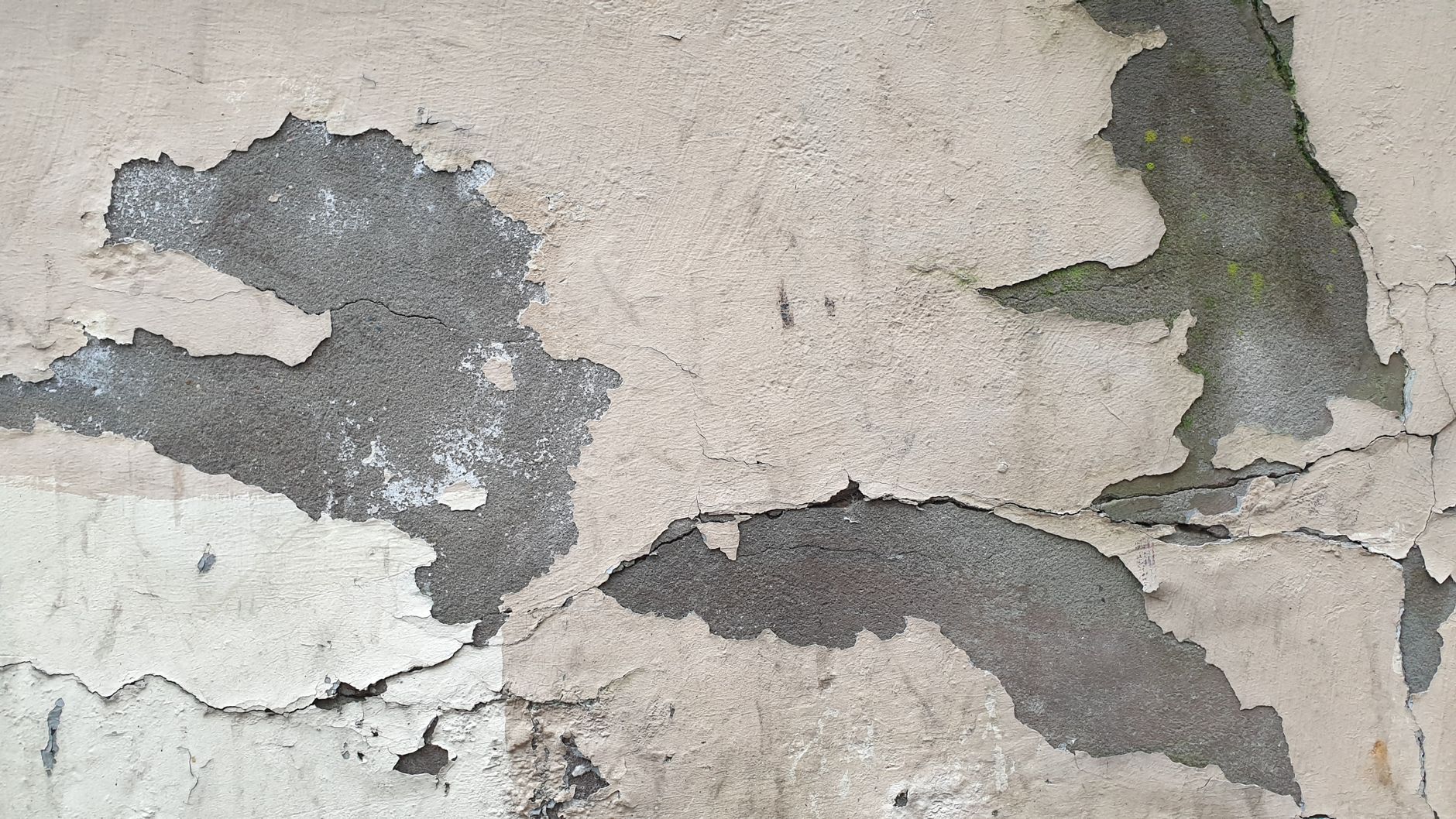
If you’re searching for the best dehumidifier for moisture problems, there’s a good chance you’ve already tried something — a small portable unit from a big-box store — and it didn’t hold. The room dried out for a week, then the musty smell came back. Or the bucket filled overnight and the unit shut off. That’s not bad luck. That’s a sizing or feature mismatch, and it happens all the time.
This guide helps you buy the right unit for your specific situation — not the most popular one, not the one with the most inflated number on the box.
Disclosure: This article contains affiliate links. If you purchase through these links, we may earn a small commission at no extra cost to you. As an Amazon Associate, we earn from qualifying purchases.
Why Recurring Moisture Problems Need More Than a Basic Dehumidifier
“Recurring” moisture means one of two things: the problem returns after you dry it out, or the room never fully dries out between seasons. That’s different from a one-time humidity spike after a humid week.
Small, cheap dehumidifiers fail in genuinely damp rooms for simple reasons:
- Undersized capacity — they can’t pull enough moisture per day to keep up with what the room generates
- Manual buckets that limit runtime — a 2-liter tank in a wet basement fills in a few hours, the unit shuts off, and the room re-humidifies while you sleep
- No reliable humidistat — cheaper units either run constantly or cycle on bad sensors and never reach the target
A good dehumidifier doesn’t just drop humidity once. It holds a target relative humidity (RH) — ideally 45–55% RH — day after day. That’s what stops mold from coming back, keeps paint on walls, and keeps wood framing dry.
One important note before we go further: a dehumidifier manages symptoms. It does not fix moisture sources. If water is entering through foundation cracks or active leaks, the dehumidifier is fighting an uphill battle. I’ll come back to this in the final section.
The Dehumidifier Specs That Actually Matter for Damp Rooms
This is where most buying mistakes happen. Here’s what each spec means in plain terms.
Pint Capacity (DOE 2019 Standard)
The DOE changed how dehumidifier capacity is rated in 2019. Units are now tested at 65°F and 60% RH — cooler and less ideal than the old AHAM standard.
The result: a unit rated at 30 pints under DOE 2019 is roughly equal to a 50-pint unit under the old rating. If a listing says “50-pint” but doesn’t mention DOE 2019 or carry Energy Star certification, that number is probably based on the older, inflated standard.
How to verify: Look for Energy Star certification, or check the EPA’s certified dehumidifier list before you buy.
Operating Temperature Range
This spec is critical for basements and crawl spaces — and it’s almost always buried in the fine print. Most consumer dehumidifiers use refrigerant coils that stop working well below 60°F. The coils ice over and performance drops sharply.
If your basement drops below 60°F in fall or winter, you need a unit rated for low-temperature use. Or consider a desiccant dehumidifier. Desiccant models use a moisture-absorbing material instead of refrigerant coils. They work well at lower temperatures.
Drainage Options
This is often the deciding factor in high-moisture rooms:
- Manual bucket: Fine for light or seasonal use in rooms you visit daily. Not for basements or any space with consistent moisture.
- Gravity drain (continuous): A hose connects to a floor drain below the unit. Simple and reliable — no pump needed. Requires a drain path at or below the unit.
- Built-in pump: Pushes water upward to a sink or window. Essential when no floor drain is nearby.
If you’re buying for a basement without a floor drain, a built-in pump is a hard requirement — not a nice-to-have.
Humidistat Accuracy and Range
A dehumidifier without a good humidistat is either running when it shouldn’t or not running when it should. Look for a unit that lets you set a specific RH target — not just “low/medium/high” — and shows current RH so you can check it’s working.
Better units cycle on and off to hold the set point. Cheaper units use imprecise sensors that short-cycle or let humidity swing before responding.
Energy Star Certification
When a dehumidifier runs 8 to 16 hours a day, energy cost adds up fast. Energy Star units use about 15% less energy than non-certified units at the same rated capacity. Over a full humid season, that’s real money.
How to Size a Dehumidifier for Your Moisture Problem
The DOE publishes a basic sizing framework. Here’s how to read it:
| Moisture Severity | Signs | DOE Pint Rating |
|---|---|---|
| Moderately damp | Musty odor, slightly damp feel, no visible moisture | 20–30 pints |
| Very damp | Damp spots on walls or floor, visible condensation | 30–40 pints |
| Wet | Seepage after rain, sweating walls | 40–50 pints |
| Extremely wet | Standing water history, persistent flooding | 50+ pints |
Square footage is a modifier, not the main factor. A small, very wet basement needs more capacity than a large, mildly damp living room. Start with moisture severity. Adjust for room size.
For drainage:
- Floor drain nearby → gravity drain is simplest and most reliable
- No floor drain → built-in pump is the right call
- Light or occasional use, daily access → manual bucket is fine
For moderately damp rooms, a 30-pint DOE-rated unit with a humidistat and gravity drain handles most situations. For basements and wet rooms, go to a 50-pint DOE-rated unit with a built-in pump. Don’t compromise here — under-buying is the most expensive mistake you can make.
Pick up a standalone hygrometer alongside any unit you buy. For $10–20, it tells you whether the dehumidifier is actually hitting your target RH, rather than trusting the unit’s built-in sensor alone.
Best Dehumidifier for Moisture Problems by Room Type
Profile 1: Bedroom or Living Room With Seasonal Humidity
Symptoms: Condensation on windows in winter, musty smell in summer, minor paint bubbling near exterior walls.
What you need: A 20–30 pint DOE-rated unit with a solid humidistat. Noise matters here — look for units rated below 50 dB. A manual bucket is fine if you’re in the room daily and moisture isn’t severe.
Common mistake: Buying a bigger unit “to be safe” and ending up with a noisy machine that over-dries the room.
Profile 2: Unfinished Basement With Persistent Dampness
Symptoms: Damp walls, efflorescence (white chalky deposits on masonry), recurring mold spots, musty odor year-round.
What you need: A 40–50 pint DOE-rated unit with a built-in pump if no floor drain is available. Low-temperature operation if the space drops below 60°F. Auto-restart after a power outage — important in basements where a circuit may trip. This is the highest-stakes profile. Under-buying here is the most common mistake.
Trade-off to know: A pump-equipped unit costs more upfront but removes the need to route a drain hose to a floor drain that may not exist.
Profile 3: Bathroom or Laundry Room With Chronic Condensation
Symptoms: Ceiling condensation after showers, paint peeling near the ceiling, mold coming back on grout or caulk lines.
Honest take first: If your exhaust fan is undersized or failing, a dehumidifier is a band-aid. Fix the ventilation first. If the fan is already adequate and humidity still builds, a 20–30 pint unit can supplement it.
Also look at silicone caulk for wet areas as a companion fix. If the caulk around your tub or sink is cracked or discolored, replacing it slows recurrence. It’s a $10 repair that pairs well with better humidity control.
Profile 4: Crawl Space
Symptoms: Wood rot on floor joists, humidity readings above 70% RH, condensation on HVAC ducts.
What you need: A purpose-built crawl space dehumidifier — designed for low-clearance spaces, higher capacity, and remote drainage. These cost more than standard units for good reason.
Honest note: Crawl space encapsulation combined with a dehumidifier is far more effective than a dehumidifier alone. If you haven’t looked at vapor intrusion, a professional assessment before buying equipment usually saves money in the long run.
Dehumidifier Features That Look Good but Won’t Fix a Moisture Problem
Don’t let these features push you toward the wrong unit:
- Large water tank capacity: A 2-gallon tank sounds useful until it fills in four hours in a wet basement. Continuous drainage matters far more than tank size.
- Wi-Fi connectivity: Useful for remote monitoring. Has no effect on how well the unit dehumidifies. Don’t pay a big premium for it to solve moisture.
- “Covers 4,500 sq ft” claims: These are based on warm, lightly humid conditions — not the damp, cool rooms where you actually need a dehumidifier. Ignore this number.
- Turbo or boost modes: Good for the initial dry-down of a very wet room. Should not be the normal operating mode — it draws more power and creates more noise.
- Combined HEPA filtration: Filters clog quickly in high-moisture environments. Factor in ongoing replacement cost if this appeals to you.
When the Best Dehumidifier for Moisture Problems Still Isn’t Enough
If moisture keeps returning no matter what you do, the source may not be airborne humidity at all.
Signs the problem is structural or external:
- Water stains on ceilings that come back within days or weeks of repair — this usually points to an active leak or condensation source, not just ambient humidity
- Efflorescence on basement walls — mineral deposits mean water is pushing through the masonry
- Musty smell that doesn’t improve after 2–3 weeks of running the right-sized unit continuously
- Visible mold covering more than 10 square feet — the EPA considers this a threshold for professional remediation, not DIY
- Wood rot in floor joists or subfloor — this is past what dehumidification can fix
My honest recommendation: If you haven’t found where moisture is entering, spend 30 minutes doing a basic check before buying anything. Look at foundation walls for cracks, check whether the ground slopes toward the house, inspect window well drainage, and rule out plumbing leaks. A dehumidifier running against an active water source will run nonstop and change very little.
When to call a professional:
- Waterproofing contractor for foundation moisture or chronic basement seepage
- Mold remediation specialist for significant mold growth
- HVAC professional if humidity is high throughout the whole house, not just one room
Quick Recommendation Framework
Match your situation to the right approach:
- Mild seasonal humidity in a bedroom or living room → 20–30 pint DOE-rated unit, quiet operation, manual bucket is fine
- Damp but not wet basement with a floor drain → 30–40 pint DOE-rated unit with gravity drain and humidistat
- Wet basement, no floor drain → 50-pint DOE-rated unit with built-in pump and low-temp operation; auto-restart required
- Bathroom with chronic condensation → Fix ventilation first; add a 20-pint unit only if the exhaust fan is already adequate; replace any failing caulk
- Crawl space with moisture or rot → Purpose-built crawl space dehumidifier; get a professional encapsulation assessment first
- Moisture is returning through walls or foundation → Don’t buy a dehumidifier yet; find and fix the source first
Whatever unit you choose, pair it with a cheap standalone hygrometer. If the room isn’t reaching 45–55% RH within a week or two of running the dehumidifier continuously, you either need more capacity or there’s an active moisture source a dehumidifier alone can’t fix.
Frequently Asked Questions
What humidity level should I set my dehumidifier to? Aim for 45–55% RH. Below 30% can dry out wood and cause its own problems. Above 60% is where mold growth becomes likely. Set your target in the middle of that safe range and let the humidistat do the work.
How long does it take a dehumidifier to dry out a damp room? For a moderately damp room, expect 2–3 days of continuous running to bring humidity down. For a very wet basement, it may take a week or more before the space stabilizes. Use a hygrometer to track actual progress rather than guessing.
Can I use a dehumidifier in a cold basement in winter? Most refrigerant-based units stop working well below 60°F. If your basement drops below that threshold, you need a unit rated for low-temperature operation or a desiccant dehumidifier, which performs reliably in cold conditions.
Does dehumidifier capacity mean the same thing it used to on older listings? No. The DOE changed the rating standard in 2019. A 30-pint unit under the new standard equals roughly a 50-pint unit under the old one. Older listings and some current sellers still use the inflated numbers. Look for Energy Star certification or check the EPA’s certified product list to confirm you’re reading a current rating.
How do I know if my dehumidifier is actually working? Buy a standalone hygrometer and place it in the room. If the room isn’t reaching your target RH (45–55%) within a week of continuous operation, either the unit is undersized or there’s an active moisture source overcoming it.
Is one large dehumidifier better than two smaller ones for different rooms? For a single large damp space, yes — one properly sized unit is more efficient. For two separate rooms with different moisture levels, two smaller units often makes more sense so each room can be controlled independently.
Can a dehumidifier cause problems if it runs too much? Yes. Over-drying a room can crack wood floors, dry out door frames, and irritate respiratory systems. Set a target RH and let the humidistat cycle the unit on and off rather than running it continuously at full power.
What’s the difference between a desiccant and refrigerant dehumidifier? Refrigerant dehumidifiers work like a small air conditioner — they cool air to condense moisture out of it. They’re efficient in warm conditions but struggle below 60°F. Desiccant dehumidifiers use a moisture-absorbing material and work well in cold spaces, but they tend to use more energy and work best in lower-humidity, lower-temperature environments like unheated basements or crawl spaces in winter.

DIY Home Repair & Plumbing