Plumbing problems are some of the most common issues homeowners face — and often the most stressful. A dripping faucet, a drain that won’t clear, a toilet that runs all night. Most common plumbing problems in homes follow recognizable patterns, and once you understand what’s causing them, diagnosing the issue yourself becomes straightforward.
This guide covers the most frequent household plumbing repairs: what’s causing the problem, how to fix it, and when the job calls for a licensed plumber. It’s organized so you can jump to your specific issue or read through to build a solid working knowledge of your home’s plumbing.
Disclosure: This article contains affiliate links. If you purchase through these links, we may earn a small commission at no extra cost to you. As an Amazon Associate, we earn from qualifying purchases.
The Most Common Plumbing Problems Homeowners Deal With
Most common home plumbing problems trace back to a handful of root causes: parts wearing out over time, mineral buildup from hard water, connections that loosen gradually, or components that were never installed quite right. The good news is that these problems fall into recognizable categories — and knowing which category you’re dealing with gets you most of the way to a fix.
Here’s what this guide covers:
- Dripping or leaky faucets — usually a worn washer, O-ring, or cartridge inside the faucet
- Slow or clogged drains — hair, grease, soap scum, or a deeper blockage in the line
- Running toilets — most often a failed flapper, a float set too high, or a fill valve that won’t shut off
- Low water pressure — could be a clogged aerator, a partially closed valve, or a failing pressure regulator
- Under-sink leaks — supply line connections, P-trap joints, or a degraded drain basket seal
- Major issues — leaks inside walls, main line clogs, corroded pipes — these require a professional
Water heater problems are worth their own dedicated guide and aren’t covered in depth here, though a brief note appears in the final section.
The sections below take each category from cause to fix, with a clear line between what you can handle and when to stop.
Leaky Faucets: One of the Most Common Plumbing Problems in Homes
A dripping faucet is one of the most common plumbing problems homeowners face — and one of the most fixable. A single faucet dripping once per second wastes roughly 3,000 gallons of water per year. More importantly, it’s almost always caused by a worn internal part that costs a few dollars to replace.
Why Faucets Drip
The location of the drip tells you a lot:
- Drip from the spout — the internal valve isn’t sealing completely. In older compression faucets, this is usually a worn rubber washer. In newer faucets, it’s typically a worn cartridge or ceramic disc.
- Leak from the base of the spout or handle — the O-rings around the valve stem have worn out.
- Drip from under the handle — the packing nut or cartridge seal is failing.
Identifying Your Faucet Type
Before you buy parts, you need to know what kind of faucet you have:
- Compression faucet — two separate handles (hot and cold) that require physical force to turn off. Common in older homes. Uses rubber washers.
- Ball faucet — single handle that rotates in a ball-shaped cap. Common in kitchens. Uses springs, seats, and O-rings.
- Cartridge faucet — single or double handle with a smooth, consistent movement. Uses a replaceable cartridge.
- Ceramic disc faucet — single lever over a wide, cylindrical body. Very durable; ceramic discs crack rather than wear gradually.
This matters because each faucet type uses different replacement parts. A washer kit won’t help a cartridge faucet.
How to Fix a Dripping Faucet
The general process applies to most types:
- Shut off the water supply at the shutoff valve under the sink — turn it clockwise until it stops. If there’s no shutoff under the sink, use the main.
- Turn on the faucet to release any pressure and drain the line.
- Remove the handle — look for a decorative cap on top; pry it off to find a Phillips or flathead screw underneath.
- Inspect and replace the worn part — washer, O-ring, or cartridge depending on your faucet type.
- Reassemble in reverse order and restore water pressure to test.
A universal washer and O-ring repair kit (like this assortment kit on Amazon) is worth keeping in your tool drawer. For compression faucets especially, having a range of washer sizes means you won’t need a separate hardware store trip.
When to Stop
If the valve seat — the surface the washer presses against — is pitted or damaged, it will cut through new washers quickly. A seat wrench can resurface it, but if the damage is significant or the faucet body is cracked, replacing the whole faucet is the smarter call.
Slow or Clogged Drains: A Common Home Plumbing Problem With Easy Fixes
Slow drains rank among the most common plumbing problems in homes — and most of the time, the solution is closer to the surface than people expect.
What Causes Slow Drains
The cause depends on where the slow drain is:
- Bathroom sink — almost always hair and soap scum that collect around the stopper or just below it
- Kitchen sink — grease, food particles, and dish soap that solidify as they cool in the pipe
- Shower or tub — hair and soap buildup; often compounded by a slow or broken stopper mechanism
- Multiple slow drains at once — when more than one drain backs up simultaneously, the clog is in the main line, not individual fixtures. That’s a job for a plumber.
Fixing a Slow Drain: Start Simple, Work Down
Step 1: Remove and clean the stopper. Bathroom sink stoppers pop out or unscrew. Pull out the stopper and clean the accumulated gunk off it and the drain opening. This fixes a surprising number of slow sinks without any tools at all.
Step 2: Use a drain clog removal tool. A flexible plastic drain snake — a thin, barbed strip you insert into the drain — grabs and pulls out hair clogs near the surface. These cost a couple of dollars, work better than chemicals on hair, and are reusable. A hair clog remover tool like this one is one of the most useful things you can add to a basic home toolkit. For deeper clogs that a basic strip can’t reach, a power drain snake like the Ridgid 57043 POWER SPIN+ gives you more reach and muscle to clear stubborn blockages further down the line.
Step 3: Plunge the drain. Use a cup plunger (not a flange plunger, which is for toilets). For bathroom sinks, cover the overflow opening — the small hole near the top of the basin — with a wet cloth before plunging. This creates the suction you need.
Step 4: Clean the P-trap. The P-trap is the curved pipe under the sink. Place a bucket underneath, unscrew the slip-joint nuts on both ends (by hand for plastic, or with pliers for metal), and pull the P-trap out. Clean it, check for blockages, and reinstall. This takes about five minutes.
Step 5: Use a hand-crank drain auger. If none of the above works, a drain auger can reach deeper into the pipe to break up or retrieve a clog that’s further down the line.
What to Avoid
Chemical drain cleaners can degrade older metal pipes and damage PVC fittings with repeated use, and they’re often ineffective against hair and solid debris. Reserve them for occasional grease buildup — not as a first resort for every slow drain.
When to Stop
If snaking and plunging don’t clear the drain, or if multiple fixtures in the house are draining slowly or backing up, the problem is in the main sewer line. That requires a licensed plumber with a power auger or hydro-jetting equipment.
Running Toilets: A Common Home Plumbing Problem With a Simple Fix
A running toilet — one that hisses or refills continuously — can waste hundreds of gallons of water per day. It’s one of the most common plumbing problems in homes, and it’s almost always caused by one of three components failing inside the tank. Most of these are DIY-friendly fixes.
Why Your Toilet Keeps Running
Open the tank lid and look at what’s inside. The three most common culprits are:
- Worn or warped flapper — the rubber seal at the bottom of the tank that covers the flush valve opening. When it degrades, it doesn’t seal fully, and water slowly leaks from tank to bowl constantly.
- Float set too high — the float tells the fill valve when to stop filling. If it’s set too high, water overflows into the overflow tube and drains continuously.
- Faulty fill valve — the fill valve controls water flow into the tank. When it fails, it doesn’t shut off properly after the tank fills.
How to Diagnose Which Part Is Failing
Dye test for the flapper: Put a few drops of food coloring into the tank. Wait five to ten minutes without flushing. If color appears in the bowl, the flapper isn’t sealing — water is leaking through.
Check the overflow tube: Look at whether water is trickling into it. If it is, either the float is set too high or the fill valve isn’t shutting off. You can usually see water moving at the top of the tube.
How to Fix a Running Toilet
Replace the flapper: Shut off the supply valve behind the toilet. Flush to drain the tank. Unhook the old flapper from the pegs on the overflow tube and disconnect the chain from the flush handle arm. Snap the new flapper in place and reconnect the chain. Most flappers are universal fit — match by toilet size (2-inch or 3-inch flush valve).
Adjust the float: On older ball-float systems, gently bend the float arm downward so the water level sits about an inch below the top of the overflow tube. On newer cup-float systems, there’s a clip or screw adjustment on the fill valve shaft.
Replace the fill valve: More involved, but still very much a DIY repair. The Fluidmaster 400A is the industry standard — it works with most toilets, comes with instructions, and costs under $15. You’ll find it at any hardware store or on Amazon here. Shut off the supply, drain the tank, disconnect the supply line, unscrew the locknut under the tank, and swap the valve out.
Weak or Incomplete Flush
A toilet that flushes weakly or doesn’t fully clear is a different problem:
- Low water level in the tank — adjust the float upward so the tank fills to the marked line
- Clogged rim jets — the small holes under the rim of the bowl can clog with mineral deposits; clean them with a bent wire or soak with white vinegar using a syringe
- Partial clog in the trap — a few firm plunges usually clears this
When to Stop
If the toilet rocks when you sit on it, leaks from the base after flushing, or has a crack in the tank or bowl — repair won’t fix it. The toilet needs to be replaced.
Low Water Pressure: Diagnosing One of the More Frustrating Home Plumbing Issues
Low water pressure is frustrating to diagnose because it has many possible causes. The key is figuring out whether the problem is localized to one fixture or affecting the whole house.
Localized vs. Whole-House Pressure Loss
One faucet has low pressure: Almost always a clogged aerator. The aerator is the small screen screwed onto the tip of the faucet spout. Mineral deposits from hard water clog it over time.
- Unscrew it by hand (or with pliers and a cloth to protect the finish), soak it in white vinegar for 30 minutes, rinse it, and reinstall. This is one of the fastest fixes in home plumbing.
One showerhead has low pressure: Same principle. Unscrew the showerhead, soak in vinegar overnight, and reinstall. If it’s heavily scaled, replacing it is often easier and inexpensive.
One area of the house has low pressure: Check whether a shutoff valve for that section is partially closed. Also possible: a section of older galvanized steel pipe has corroded internally and narrowed.
Diagnosing Whole-House Low Pressure
When every fixture in the house has weak pressure, work through this checklist:
- Main shutoff valve — find it where the water line enters the house. Make sure it’s fully open (turned fully counterclockwise for a gate valve, or lever parallel to the pipe for a ball valve).
- Pressure regulator — a bell-shaped or dome-shaped device on the main supply line where it enters the house. It controls incoming pressure to a safe range (typically 45–80 psi). When it fails, pressure drops house-wide. Replacement requires a plumber.
- Ask a neighbor — if nearby homes have the same issue, it’s the municipal supply. Contact your water provider.
When Pipe Corrosion Is the Culprit
Older homes with galvanized steel pipes can develop severe internal corrosion that narrows the pipe from the inside. You won’t see it from the outside. If you have galvanized pipes and persistent low pressure that can’t be traced to a valve or regulator, the pipes themselves may need to be replaced with copper or PEX. That’s a significant project requiring a licensed plumber.
When to Stop
Pressure regulator failure, corroded pipes, and municipal supply issues are not DIY repairs. Diagnosing the source is something you can do — the fix itself often isn’t.
Under-Sink Leaks: What to Check and How to Fix Them
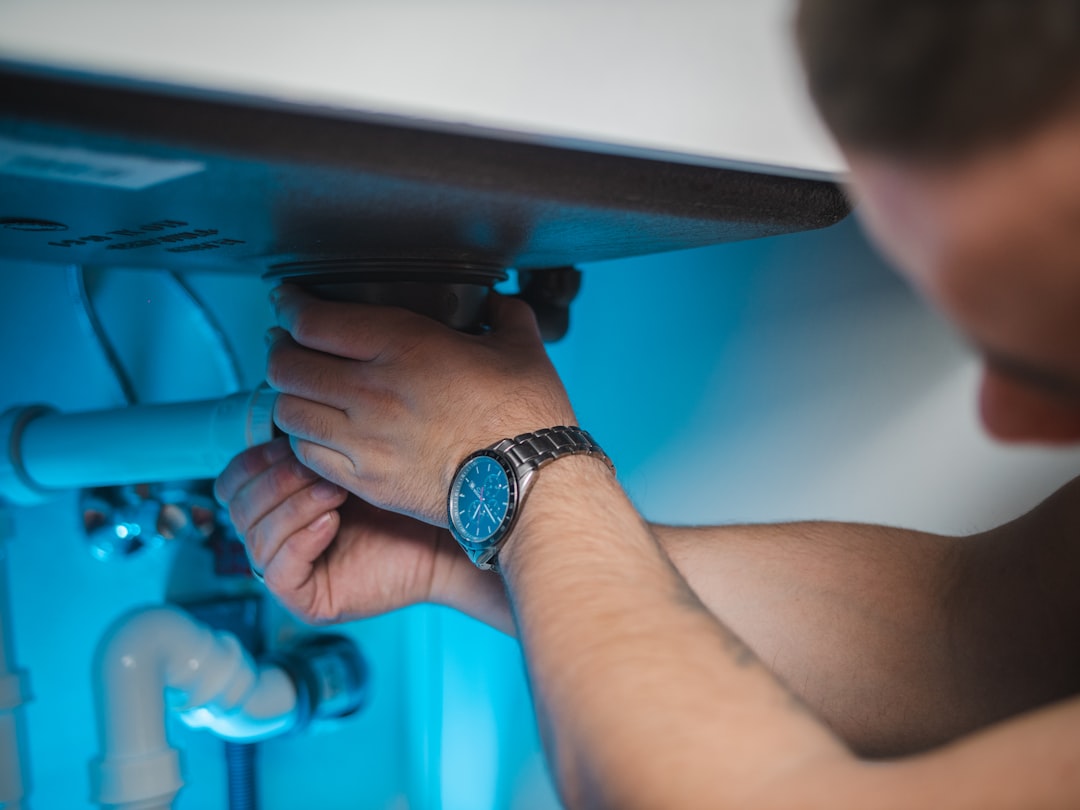
An under-sink leak often looks worse than it is. Opening the cabinet to find standing water is alarming, but the source is usually one of three places — and two of them are straightforward fixes that any homeowner can handle.
Common Sources of Under-Sink Leaks
- Supply line connections — the braided stainless steel lines running from the shutoff valves up to the faucet. The connection points at either end can loosen over time, and the lines themselves can fail as they age.
- P-trap joints — the curved section of drain pipe. Slip-joint connections loosen gradually, especially after any previous plumbing work.
- Drain basket or strainer — the fitting at the bottom of the sink basin where water enters the drain. The plumber’s putty seal beneath it can dry out and crack over years, causing slow seepage.
How to Identify the Source
Dry everything under the sink thoroughly with a towel. Then test in two phases:
- Run only the supply — turn on the faucet without plugging the drain and watch for drips. This isolates supply line leaks.
- Run only the drain — plug and fill the basin, then pull the stopper and watch the drain connections while water runs out. This isolates drain-side leaks.
How to Fix Each Type
Supply line leak: Hand-tighten the connection first. If it still drips, use an adjustable wrench — no more than one-quarter turn past hand-tight. Over-tightening can crack plastic fittings. If the braided line is corroded or fraying, replace it. Supply lines are inexpensive and sold in standard lengths at any hardware store.
P-trap leak: For plastic slip-joint nuts, try hand-tightening first — they’re often just loose. If the nut or pipe itself is cracked, replace that section. Plastic P-trap assemblies are sold as kits, require no special tools, and cost under $10. The trick is making sure you select the right diameter. Typically hardware stores will have a “kitchen sink” or “bathroom” variety of these kits; just match the type to what you need.
Drain basket leak: Remove the basket from below, scrape off the old dried plumber’s putty from both the sink basin and the basket flange, apply a fresh ring of putty, reseat the basket, and tighten from below. It’s DIY-able, but plan for 30–45 minutes if it’s your first time.
When a Plumbing Problem Is Too Big to Fix Yourself
Knowing your limits isn’t a failure — it’s good judgment. Some common plumbing problems in homes can cause far more damage if a DIY repair goes wrong. Water in walls creates mold. A main line backup can contaminate your home. A botched pipe repair can go undetected behind a wall for months.
Signs You Need a Licensed Plumber
- Water is leaking from inside a wall, ceiling, or floor — you can hear it or see staining but can’t access the pipe
- Multiple drains are backing up or sewage is coming up through a floor drain — this indicates a main sewer line blockage
- The pressure regulator has failed — whole-house pressure drop with no other explanation
- Pipes are old galvanized steel and pressure has been declining for years — whole-house repiping is needed
- The water heater is leaking at the tank itself (not a fitting or connection) — the tank has failed
- You’ve shut off the water but can’t locate the source of the leak
- Any repair requiring cutting into existing supply lines or rerouting pipe
What Calling a Plumber Really Costs You
A plumber’s visit typically runs $100–$300 for a straightforward repair call, depending on your area. That feels significant — until you compare it to water damage remediation, which can run into thousands when a DIY repair fails silently inside a wall. Some household plumbing repairs are simply worth paying for.
How to Avoid Making Things Worse While You Wait
- Shut off the water at the fixture shutoff valve or at the main supply — this is always the right first move
- Place towels or a bucket to contain water and protect cabinets and flooring
- Document with photos — useful for insurance claims and for showing the plumber exactly what you found
Frequently Asked Questions
How do I know if my plumbing problem is an emergency? Running water you can’t shut off, sewage backing up into the house, or a burst pipe are emergencies. Shut off the main water supply immediately and call a plumber.
Can I use chemical drain cleaners regularly? No. Repeated use can degrade older pipes and damage PVC fittings. Reserve them for occasional grease buildup. Use mechanical methods — a plunger or drain snake — for hair and debris.
Why does my faucet still drip after I replaced the washer? The valve seat is likely damaged and cutting through new washers. A seat wrench can resurface it, but significant damage usually means it’s time to replace the faucet.
How do I know if low water pressure is a municipal problem or a house problem? Ask a neighbor. If they have the same issue, contact your water provider — it’s on their end. If only your home is affected, start by checking your main shutoff valve, then the pressure regulator.
What’s the most common reason a toilet keeps running? A worn or warped flapper that no longer seals the flush valve opening. It’s the first thing to check and the easiest to replace.
Is a slow drain something I need to fix right away? Not an emergency, but don’t ignore it. Partial clogs worsen over time. Fix it while it’s still a simple drain snake job rather than waiting until it’s a full blockage.
Conclusion
Most common plumbing problems in homes follow predictable patterns. A dripping faucet points to a worn washer or cartridge. A slow drain means hair or grease near the surface. A running toilet almost always comes down to the flapper, float, or fill valve. Low pressure at one faucet is almost always the aerator. An under-sink leak is usually a loose connection or a worn P-trap joint.
The core skill isn’t plumbing expertise — it’s pattern recognition. Once you understand what’s causing a common home plumbing problem, you can decide quickly whether to fix it yourself, handle part of it and confirm, or call a professional without wasting time or money guessing.
Keep a basic toolkit stocked — adjustable wrench, cup plunger, drain snake, spare flappers and supply lines, a washer assortment kit — and you’ll handle most household plumbing repairs without a service call.