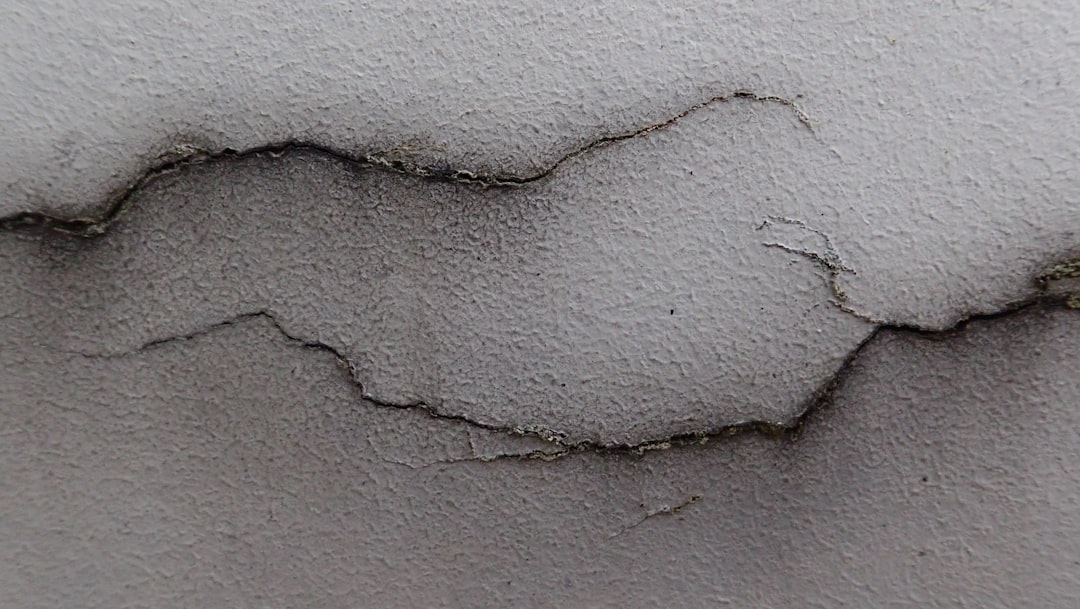
Ceiling paint that bubbles, blisters, or peels looks like a simple job — scrape it off and repaint. But if you do that without identifying the cause first, the paint will fail again. Sometimes within weeks. Understanding ceiling paint bubbling and peeling causes is the only way to choose a repair that actually holds. The symptom is paint separating from the surface, but the reason that bond broke determines everything about how you repair it correctly.
Disclosure: This article contains affiliate links. If you purchase through these links, we may earn a small commission at no extra cost to you. As an Amazon Associate, we earn from qualifying purchases.
What Actually Causes Ceiling Paint to Bubble and Peel
Paint fails when something breaks the bond between the paint film and the surface beneath it. On ceilings, that happens more often than on walls for a few specific reasons: ceiling surfaces sit directly below moisture sources (roof, upstairs plumbing, bathroom above), they trap heat, and they collect condensation in poorly ventilated rooms.
There are three main failure mechanisms:
- Moisture pushing up from above or migrating through the substrate
- Heat causing the paint film to expand, crack, and lift
- Adhesion failure from poor surface prep or incompatible paint layers
Do not attempt to repaint over bubbling or peeling paint until you know which one you are dealing with. The repair path is different for each, and a repaint without addressing the root cause will fail again in the same spot.
Moisture: The Most Common Cause of Ceiling Paint Bubbling and Peeling
Water is behind the majority of ceiling paint failures. Here is how it works: water vapor or liquid water migrates into drywall or plaster, swells the substrate, and lifts the paint film away from below. The paint separates because the surface it was bonded to has physically moved.
Four Moisture Sources to Check
Active leak from above. A roof leak, failing flashing, a dripping pipe, or an upstairs bathroom are the most common culprits. If you notice ceiling paint peeling after rain or bubbles that appear or worsen following heavy rainfall, a roof or flashing leak is the likely source. Do not repaint until this is confirmed and fixed.
Condensation from poor ventilation. Bathroom and kitchen ceilings are vulnerable. Steam from showers and cooking rises, condenses on the cooler ceiling surface, and slowly works into the paint and substrate. This is a slow failure — the paint often looks fine for months before blistering starts.
Humidity trapped during painting. If the room was humid or cold when the paint was applied, moisture gets sealed under the film and causes blistering as the paint cures. This type of failure tends to appear within days of painting, not months later.
Prior water damage painted over too soon. A ceiling that took a leak, appeared to dry out, and was painted over without adequate drying time will often start bubbling weeks or months later as residual moisture works its way out.
Surface Bubbling vs. Substrate Saturation
These two conditions look similar but have different repair timelines.
- Surface bubbling: The paint film blisters but the drywall behind it is dry and firm. Moisture may have caused the original failure, but it is no longer active.
- Substrate saturation: The drywall is soft, spongy, or darker in color when the bubble is opened. This means moisture is still present, the leak is ongoing, or the material never fully dried. Do not attempt any repair until the drywall is dry and the moisture source is eliminated.
If you also see yellow, brown, or grey staining around the peeling area, a moisture source — past or present — is almost certainly involved. See our guide to telling whether a ceiling water stain is from an active leak or an old one for help identifying whether the source is still active.
Heat, Poor Adhesion, and Bad Prep: Other Ceiling Paint Bubbling and Peeling Causes
When moisture is ruled out, the cause usually comes down to how the paint was applied or what it was applied to.
Heat and Temperature Cycling
Less common than moisture but relevant in top-floor rooms with poor insulation or in spaces with skylights. Paint applied to a hot surface dries too fast and does not bond properly. As the surface cycles through temperature changes, the paint film cracks and begins to lift at the edges.
Painting Over Gloss or Incompatible Paint
Gloss paint does not provide the mechanical grip that a new coat of paint needs to bond. One of the most common ceiling paint blistering causes in older homes is latex paint applied directly over an oil-based coat. The two materials expand and contract at different rates with temperature changes, and the bond between them breaks over time.
Skipping Primer
Porous surfaces — bare drywall, patches, and repairs — absorb paint unevenly. Without a primer coat, the paint film has no uniform base to adhere to and will lift at the weaker spots, often along the edges of patches or repairs.
Too Many Accumulated Paint Layers
In older homes, ceilings may have ten or more coats of paint built up over decades. The total paint film becomes heavy and brittle. Any minor flex in the substrate — from humidity changes, vibration, or temperature — can cause sections to delaminate.
Paint Applied Too Thick
A coat applied too heavily traps solvent or moisture inside the film as it dries. That trapped material has nowhere to go except outward, forming blisters in the paint surface as the coat cures.
How to Diagnose Ceiling Paint Bubbling and Peeling Causes Before You Repair
Work through this sequence before touching anything. Matching the fix to the correct cause is what separates a lasting repair from one that fails again.
Step 1 — Press the bubble gently. If the drywall behind it is damp or soft, moisture from above is the active cause. If the drywall is dry and firm, either the moisture is a past issue or the cause is adhesion or prep failure.
Step 2 — Look for staining. Yellow, brown, or grey rings around the peeling area indicate moisture, past or present. Clean white blistering with no discoloration points to heat, trapped solvent, or adhesion failure.
Step 3 — Consider the room. Bathroom or kitchen ceiling? Condensation or ventilation failure is likely. Ceiling below a flat roof, another bathroom, or HVAC equipment? Suspect an active leak. Top-floor ceiling in a room that overheats in summer? Heat-related adhesion failure is possible.
Step 4 — Check the painting history. Did the bubbles appear within hours or days of a fresh paint job? That points to application error — surface too hot, coat too thick, painted over gloss, or inadequate primer. Failure appearing years later and spreading gradually suggests moisture accumulation or paint layer buildup.
Step 5 — Check for active moisture before doing anything else. If the ceiling is soft, visibly damp, or the failure appeared after a rain event, the moisture source must be resolved before any repair begins. The causes of ceiling paint bubbling and peeling that involve active water are the ones where repainting immediately does the most damage — you seal moisture in and guarantee a repeat failure. Consult our guide on how to tell whether a ceiling water stain is from an active leak or an old one before proceeding.
How to Fix Bubbling and Peeling Ceiling Paint That Lasts
Track A: Moisture Was the Cause
- Confirm the moisture source is resolved. No repair holds if water is still getting in. Do not skip this step.
- Allow the ceiling to dry fully. Depending on how saturated the drywall is, this can take days to several weeks. Use a fan or dehumidifier to speed the process.
- Check the drywall’s condition. Press firmly on the affected area. If the material is soft, crumbling, or spongy, it needs to be cut out and replaced before any surface repair. Painting over damaged drywall will not hold.
- Scrape all loose and bubbled paint back to a firm edge. A 4- or 6-inch flexible drywall scraper is the right tool here — a flexible blade applies even pressure without gouging softened drywall.
- Apply a stain-blocking primer. Standard PVA primers do not block water stains or tannin bleed-through — the stain will reappear through the new paint coat. Use a shellac-based primer such as Zinsser BIN on any moisture-affected area before repainting.
- Fill surface depressions with lightweight spackling compound and sand smooth once dry. The drywall crack filling article covers the full technique if you need guidance on feathering edges and achieving a flush surface.
- Repaint with a ceiling-rated flat latex paint, applied in thin, even coats.
Track B: Application or Adhesion Error Was the Cause
- Scrape all loose paint back to where the surface is firmly bonded.
- Break the sheen on any glossy or oil-based surface by sand lightly with 120-grit sandpaper before applying new paint. This gives the new coat something to grip.
- Strip back to bare surface if needed. If multiple layers are delaminating across a large area, stripping back to bare drywall or plaster and starting fresh is more reliable than patching over a compromised stack of old paint. If the stripped surface has cracks or uneven areas, refer to our drywall crack filling guide for surface prep technique before priming.
- Apply a bonding primer. When adhesion failure caused the original peel, a bonding primer is not optional — it creates mechanical grip on difficult surfaces and is what separates a repair that lasts from one that fails again.
- Apply ceiling paint in thin, even coats. Allow full drying time between coats as specified on the product label.
What Not to Do
- Do not paint over bubbles without scraping first. The trapped failure will re-emerge through the new coat, often within weeks.
- Do not use standard PVA primer over water stains. It will not block bleed-through and the stain will show through the new paint.
- Do not repaint in a cold or humid room. Both conditions prevent the paint from bonding properly and set up the next round of adhesion failure.
When Peeling Ceiling Paint Points to a Bigger Problem
Some ceiling paint failures are symptoms of a more serious underlying issue. Recognising these situations early prevents wasted repair effort and, in some cases, keeps you safe.
Widespread delamination across an entire ceiling — not just one spot — often indicates years of slow moisture accumulation, not a simple paint problem. The full ceiling history needs to be assessed before repainting.
Soft or sagging drywall requires structural replacement before any cosmetic repair. Paint cannot fix a compromised substrate.
Visible mold on the back of peeled paint or on the exposed drywall surface means this is no longer a paint problem. Stop the repair, do not disturb the mold further, and consult a mold remediation professional. This is a health issue that must be addressed before repainting.
A leak that has not been identified or repaired will defeat any paint repair. If you cannot find and fix the moisture source, ceiling paint bubbling and peeling causes will continue to repeat regardless of how carefully the surface is prepared.
Moisture near electrical fixtures or junction boxes is a safety issue. If the leak is near a ceiling light, fan, or any wiring, turn off the circuit at the breaker and do not touch the fixture until an electrician has assessed it. Our water stain active vs. old leak guide covers the electrical hazard considerations for this scenario in more detail.
Roofing or structural leaks require a qualified contractor to confirm the source is fixed before any ceiling repair is started.
Prevention: How to Stop Ceiling Paint Bubbling and Peeling Problems From Coming Back
Addressing ceiling paint bubbling and peeling causes after the fact is more work than preventing them. These habits eliminate most of the common failure conditions before they start.
- Always prime new drywall, patches, and repairs before painting — bare and patched surfaces need a primer coat to create a uniform bonding surface.
- Use mold-resistant, bathroom-rated ceiling paint in any high-humidity room.
- Run bathroom exhaust fans during showers and for at least 20 minutes afterward to clear moisture from the air before it can condense on the ceiling.
- Never paint in cold or humid conditions — both prevent proper adhesion from the start.
- Address any ceiling stain immediately instead of painting over it — identify the source first, then repair.
- Inspect caulking around skylights and roof penetrations once a year, particularly before and after winter when freeze-thaw cycles open up gaps.
- If a bathroom sits directly above a painted ceiling, check the seals around the toilet base, tub surround, and sink regularly for signs of slow water escape.
Summary
Ceiling paint bubbling and peeling causes are almost always traceable to one of three things: moisture from above, heat and temperature cycling, or a surface that was not properly prepared before painting. The mistake most homeowners make is repainting before identifying which one applies to them. Run through the five diagnostic steps, confirm whether moisture is still active, and then follow the repair track that matches your cause. Scrape completely, prime correctly — including a stain-blocking primer for any moisture-affected area — and apply thin coats. Done in that order, the repair holds. Done out of order, it fails again.
Frequently Asked Questions
Why did my ceiling paint bubble right after I painted it? Bubbles that appear within hours or days of a fresh paint job almost always point to application error. The most common causes are painting over a surface that was too hot, applying the coat too thick, painting over a glossy surface without sanding or priming first, or painting in a humid or cold room. None of these involve a moisture leak — the problem is with how the paint was applied or what it was applied to.
Can I just paint over peeling ceiling paint if I press it back down? No. Paint that has already lost adhesion will not rebond by being pressed flat and painted over. The failure underneath remains, and the new coat will lift along with the old one, often within weeks. All loose and bubbled material must be scraped back to a firm edge before any new paint is applied.
How long should I wait after a leak before repainting the ceiling? There is no fixed number of days — it depends entirely on how saturated the drywall became. A light drip may dry out in a few days with good airflow. A ceiling that was soaked for an extended period can take several weeks. Press the affected area firmly; if it still feels soft, spongy, or cool to the touch, it is not ready. Repainting too soon is one of the most common ceiling paint bubbling and peeling causes homeowners create for themselves during repairs.
Why is my bathroom ceiling paint always peeling no matter what I use? Recurring failure in a bathroom ceiling almost always comes down to ventilation and the wrong primer or paint. If steam is not being exhausted effectively, moisture condenses on the ceiling repeatedly and works its way under the paint. The fix requires running the exhaust fan consistently, using a mold-resistant ceiling paint rated for bathrooms, and applying a bonding or stain-blocking primer before repainting — especially if there has been any previous moisture damage.
Does peeling ceiling paint always mean there’s a leak? No. Moisture is the most common cause, but adhesion failure from poor prep, incompatible paint layers, skipped primer, or paint applied too thick can all produce peeling with no leak present. The diagnostic steps in this article — particularly checking whether the drywall is damp, looking for staining, and reviewing the painting history — will help you determine which one you are dealing with before committing to a repair approach.
Is peeling ceiling paint a mold risk? It can be. If the peeling was caused by moisture, the damp drywall behind it is exactly the kind of environment where mold grows. If you see dark discoloration, a musty smell, or fuzzy growth on the back of the peeled paint or on the exposed surface underneath, treat this as a mold problem rather than a paint problem. Do not continue the repair until mold remediation has been completed — disturbing mold during scraping spreads spores through the room.
What type of paint is best for a ceiling that has had water damage? After fixing the moisture source and allowing full drying time, the most important product choice is not the topcoat paint — it is the primer. Use a shellac-based stain-blocking primer such as Zinsser BIN on any moisture-affected area before repainting. This blocks water stains and tannin bleed-through that standard primers cannot stop. For the topcoat, a ceiling-rated flat latex paint is appropriate in most rooms; use a mold-resistant formula in bathrooms or any space with recurring humidity.
How do I know if the drywall behind the peel needs to be replaced? Press firmly on the affected area after scraping away the loose paint. Drywall that is structurally sound will feel hard and stable. If it feels soft, spongy, or crumbles under pressure, or if it flexes when you push on it, the material has been compromised by moisture and needs to be cut out and replaced before any surface repair is done. Painting over damaged drywall will not hold — the substrate failure will telegraph through the new paint regardless of how carefully the surface is prepared. Cutting out and replacing drywall sections requires drilling and driving screws into ceiling joists; a reliable drill and driver set makes that work considerably faster and more controlled than using a basic cordless drill alone.