If your AC running but not cooling house is the problem you are dealing with right now, here is what you need to know first: the most common causes are simple, and you can rule out the top three yourself in under 30 minutes. Before assuming you need a technician, work through this guide in order. The fix may cost you $15 and 20 minutes of your time.
The symptom range here is wide — your system might be blowing slightly cool air that never gets the house down to temperature, or it might be blowing air that feels fully warm. Both situations share the same diagnostic path. Start at the beginning, not the end.
Quick thermostat check before anything else: Go to your thermostat and confirm it is set to COOL (not FAN ON), and that the set point is actually below your current room temperature. FAN ON mode runs the blower without activating the cooling — it moves air but does not cool it. This takes 30 seconds and rules out one of the most common oversights.
Disclosure: This article contains affiliate links. If you purchase through these links, we may earn a small commission at no extra cost to you. As an Amazon Associate, we earn from qualifying purchases.
Dirty Air Filter: The Most Common Reason AC Stops Cooling Your Home
This is where to start — not with refrigerant, not with the outdoor unit. A severely clogged air filter is the single most frequent cause of an air conditioner not cooling a home, and it is the one most commonly buried or skipped in competing guides.
Here is why it matters: the air filter sits in the return air path. When it becomes clogged, airflow across the evaporator coil (the indoor coil that absorbs heat) drops too low for the system to transfer heat efficiently. The system keeps running, the fan keeps moving, but the cooling process stalls.
How to confirm
- Locate your filter — it is typically in the return air vent (a large grille on a wall or ceiling) or inside the air handler cabinet itself.
- Pull the filter out and hold it up to a light source.
- If you cannot see light through it, it is overdue for replacement.
- Even if it looks only partially blocked, replace it before diagnosing anything else.
- Check the size printed on the filter frame and replace it with the same dimensions.
- Use a MERV 8 to MERV 11 pleated filter for standard residential systems. MERV ratings indicate how fine a filter’s mesh is — higher ratings trap more particles but also restrict airflow more. A MERV 13 or higher filter can itself cause an airflow problem in systems not designed for it.
- A standard pleated MERV 8 or MERV 11 replacement filter is inexpensive and widely available in common sizes.
- After replacing the filter, run the system for 30–60 minutes before drawing any conclusions.
What not to do
Do not run the system with the filter removed to “see if that helps.” Without a filter, dust coats the evaporator coil directly, which is an expensive problem to fix and makes the cooling issue worse long-term.
Expected result: If airflow at your supply vents noticeably increases and the house begins cooling within an hour, the filter was the cause.
Frozen Evaporator Coil: How to Spot It and What to Do Next
A clogged filter is the most common cause of a frozen evaporator coil, so if your filter was badly blocked, the coil may already be frozen by the time you find it. But coils also freeze from low refrigerant and other airflow restrictions, so this is a distinct issue worth checking separately.
A frozen coil blocks airflow completely — the ice acts as a wall inside the air handler. The system runs but almost no conditioned air gets through.
How to confirm
- Turn the AC off at the thermostat (switch to FAN ONLY or OFF).
- If accessible, open the air handler access panel and look at the evaporator coil. Ice on the coil surface confirms the diagnosis.
- If you cannot access the coil easily, go to the outdoor unit and feel the large copper refrigerant line (called the suction line) where it connects to the unit. If it is covered in frost or ice, the coil inside is frozen.
What to do
If the coil freezes again within a few hours of restarting, airflow was not the root cause — move to the refrigerant section below.
What not to do
Do not chip or scrape ice off the coil and do not pour hot water on it. The aluminum fins on an evaporator coil bend and deform easily, which permanently reduces airflow and cooling performance.
Refrigerant Issues: When AC Running But Not Cooling Points to a Bigger Problem
Refrigerant is the substance that cycles between your indoor and outdoor units, absorbing heat from inside your home and releasing it outside. If refrigerant is low, the system cannot remove heat effectively — it runs continuously but the house never reaches the set temperature.
Refrigerant loss is less common than filter and airflow problems, but it is the next most likely cause when you find your AC running but not cooling house to the expected temperature, particularly in systems that are 8–10 years old or older, or that have not been serviced in several years.
How to identify it without tools
- The system runs constantly but the house gets only a few degrees below the outdoor temperature
- The large copper suction line at the outdoor unit is not cold to the touch and has no condensation on it
- Ice formed on the coil or lines, but the filter was clean and airflow was not obviously restricted
- The system has never been serviced, or it has been several years since the last service
Do not attempt to add refrigerant yourself. Refrigerant handling requires EPA Section 608 certification — this is a legal requirement, not just a safety caution. Consumer refrigerant top-up kits are sold at hardware stores, but using one without finding the source of the leak will not fix the problem. It masks a symptom and can lead to compressor failure if the system continues operating incorrectly.
This is the point where you call a licensed HVAC technician.
What a technician will do
A technician will check system pressures to confirm refrigerant loss, locate the leak, repair it if accessible, and recharge the system to the correct level. If your system uses R-22 refrigerant (common in units manufactured before 2010), be aware that R-22 has been phased out under federal regulations and is now expensive and scarce. A technician may raise the question of system replacement rather than recharge — this is worth considering honestly if the unit is already old.
Running a system that is low on refrigerant for an extended period risks compressor damage. A service call now is significantly cheaper than compressor replacement later.
Condenser Unit Problems That Stop Your Central Air from Cooling
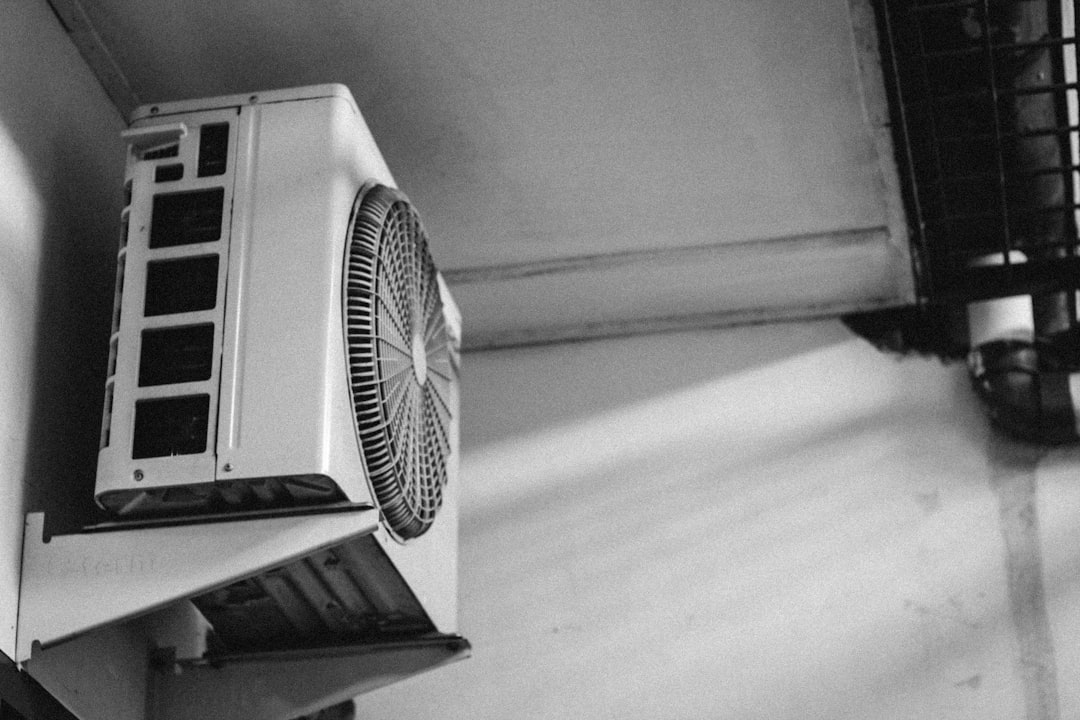
The outdoor unit — called the condenser — is where heat pulled from inside your home gets released to the outside air. If the condenser cannot do that job, the system runs but heat removal stalls and the house stays warm.
How to confirm
- Go outside and look at the unit. Is the fan on top spinning? Can you hear the compressor running (a steady hum)?
- If the fan is not spinning but the unit appears powered, the fan motor or its capacitor may have failed.
- Look at the area around the unit. Condenser units need 18 to 24 inches of clearance on all sides to draw in air. Overgrown shrubs, stacked items, or heavy debris can restrict this enough to impair cooling.
- Examine the exterior fins of the condenser coil — these are the metal slats visible on the sides of the unit. If they are matted with cottonwood seed, dirt, or leaves, airflow through the coil is restricted.
- Check the disconnect box (a small box usually mounted on the wall near the outdoor unit) to confirm it is switched on. Also check the breaker panel — a tripped AC breaker will shut off the outdoor unit while leaving the air handler running, creating exactly the “running but not cooling” symptom.
If your home has had recent electrical issues or breaker trips, it may be worth reviewing GFCI Outlet Keeps Tripping with Nothing Plugged In for context on how electrical faults can affect appliance circuits.
What the homeowner can do
- Clear vegetation and debris from around the unit.
- Rinse the exterior condenser coil fins gently with a garden hose, spraying from the inside out if accessible. This removes debris that blocks airflow. Do not use a pressure washer — it bends the fins and worsens the problem.
- If fins are visibly bent or crushed, a fin comb tool is a low-cost option that straightens them and restores airflow without requiring a technician. For a broader look at useful maintenance tools to keep on hand, see this guide to best home repair tools and supplies.
- Reset the breaker if it is tripped, but note whether it trips again — repeated trips signal an electrical fault that needs professional attention.
What not to do
Do not attempt to service the fan motor or the capacitor. The capacitor inside a condenser unit stores a high-voltage electrical charge and can deliver a lethal shock even after the power has been turned off. Before doing any work near the outdoor unit, use a non-contact voltage tester to confirm power is off at the disconnect box. Capacitor and motor work requires a technician.
Expected result: If debris or clearance was the issue, clearing it and allowing the unit 30 to 60 minutes to stabilize should restore normal cooling. If the fan was not spinning or the unit is making grinding, clanking, or loud buzzing sounds, stop here and call a technician.
When to Stop DIY and Call a Licensed HVAC Technician
Some symptoms tell you clearly that the diagnosis is done and the next call is a professional’s. Do not continue operating the system when:
- The evaporator coil refreezes after you have thawed it and replaced the filter
- The outdoor unit is not running or is making grinding, clanking, or sustained buzzing sounds
- The AC breaker trips repeatedly
- You have confirmed or strongly suspect refrigerant loss
- The system is 15 or more years old and shows multiple recurring symptoms
- You smell burning from the air handler or outdoor unit
Running an AC with low refrigerant or a failing compressor accelerates component damage fast. What is a $200–$400 service call today can become a $1,500–$2,500 compressor replacement if ignored.
If a technician recommends a major repair on a system that is 12 to 15 years old or older, ask them to compare repair cost against replacement cost before you approve the work. At that age, a full system replacement often makes more financial sense than a large repair.
Prevention: How to Keep Your AC Cooling Reliably All Season
Most of the causes that leave your AC running but not cooling house are preventable with basic seasonal habits.
- Replace the air filter every 1–3 months during active cooling season. Set a calendar reminder — this is the single highest-impact maintenance task a homeowner can do.
- Schedule professional maintenance annually, ideally in spring before cooling season begins. A technician will check refrigerant levels, clean the coils, inspect electrical components, and catch problems before they become failures.
- Keep the outdoor unit clear year-round. Check for debris after storms and trim back vegetation before the growing season.
- Check the condensate drain line once a year. The condensate drain is a small PVC pipe — typically running from the base of your air handler to a floor drain or outside — that carries away the water your system pulls from indoor air during cooling. When this pipe clogs with algae or debris, water backs up into the drain pan. Most modern systems have a safety float switch in the drain pan that detects rising water and shuts the system off automatically. The result is an AC that stops cooling entirely, with no error code or obvious mechanical failure — it reads exactly like a compressor problem when the actual fix is clearing a $0 drain clog. Pouring a cup of diluted bleach down the drain access port annually prevents most clogs from forming. For stubborn blockages deeper in the line, a drain snake can clear hard-to-reach clogs without a service call.
- Know your system’s age and service history. When a technician diagnoses a problem, this context helps them give you an honest repair-or-replace recommendation.
Quick-Reference Checklist: AC Running But Not Cooling House
Work through these in order before calling a technician:
- [ ] Thermostat — Set to COOL, set point below current room temperature, not FAN ON mode
- [ ] Air filter — Pull it out and check; replace if clogged or partially blocked; run system 30–60 minutes after replacement
- [ ] Frozen evaporator coil — Check for ice on coil or frost on the suction line; if frozen, shut off AC, run fan only, allow 2–24 hours to thaw
- [ ] Refrigerant — If coil refreezes after thaw or suction line is not cold, stop DIY and call a licensed HVAC technician
- [ ] Condenser unit — Confirm fan is spinning, clear debris and vegetation, check disconnect box and breaker, rinse fins gently if clogged
- [ ] Call a technician — If coil refreezes, breaker trips repeatedly, outdoor unit sounds abnormal, or you suspect refrigerant loss
Frequently Asked Questions
Why does my AC blow cool air at first and then warm up after 30 minutes?
This is a classic sign of a freezing evaporator coil. The system cools normally at startup, but as the coil progressively ices over, airflow drops until it is almost entirely blocked — and the air coming out turns warm. The fix is to thaw the coil, replace the filter, and restart. If it happens again after the filter is clean, low refrigerant is the likely cause.
Can I run my AC with a frozen coil if I turn the temperature up?
No. Running the AC with a frozen coil does not help and can cause damage. The ice blocks airflow regardless of what temperature the thermostat is set to, and continuing to run the compressor under those conditions stresses the system. Turn the system off, switch the fan to ON to thaw the coil, and wait for the ice to clear completely before restarting in cooling mode.
How do I know if my AC is low on refrigerant without a technician?
You cannot confirm it with precision, but several signs point that way: the system runs constantly without reaching the set temperature, the large copper suction line at the outdoor unit is not cold and has no condensation on it, and ice forms on the coil or lines despite a clean filter. None of these signs are conclusive on their own, but if two or three are present together, refrigerant loss is the most likely explanation. A technician with a pressure gauge can confirm it in minutes.
What does it mean if my AC runs constantly but the house never reaches the set temperature?
It means the system is undershooting its capacity — it is removing some heat but not enough to keep up with the load. The most common reasons are a clogged filter, low refrigerant, a partially frozen coil, or a dirty condenser that cannot release heat efficiently. It can also indicate the system is undersized for the space or that there is significant duct leakage. Start with the filter and condenser checks; if those are clean and clear, a technician should check refrigerant levels.
Is it normal for the outdoor AC unit to make noise when it starts?
A brief startup sound — a click, a low hum building to steady operation — is normal. What is not normal: grinding, clanking, loud buzzing that continues after startup, or rattling from loose panels. A failing capacitor often causes a humming or buzzing sound as the motor struggles to start. A grinding sound usually indicates a bearing problem in the fan motor or compressor. Either of these warrants a technician call before the system is run further.
How often should I have my AC professionally serviced?
Once a year, ideally in spring before the first sustained hot weather. An annual tune-up covers refrigerant pressure checks, coil cleaning, electrical component inspection, and condensate drain clearing. Skipping service for multiple years is one of the most reliable ways to end up with an AC running but not cooling when temperatures spike in July.
What is the condensate drain and why does a clog stop cooling?
The condensate drain is the pipe that removes water your system pulls from indoor air during the cooling process. As warm, humid air passes over the cold evaporator coil, moisture condenses on the coil surface and drips into a collection pan below the air handler. The drain pipe carries that water away. When the drain clogs — usually from algae or debris buildup — water fills the pan and triggers a safety float switch designed to protect against water damage. That switch shuts the system off. The AC appears to have stopped cooling for no reason, but the actual cause is a blocked drain line. Flushing the line with diluted bleach once a year prevents this from happening.